How to Prepare for Broad Peak (8,047m): Training, Gear and Acclimatization Guide
By the Black Yak Adventure team
Stand at Concordia on a clear morning and you will see why people give up comfortable lives to come here. K2 rules the skyline, Gasherbrum IV glows in the early light, and just across the glacier sits a long, massive ridge called Broad Peak. At 8,047 meters, it is the 12th highest mountain on Earth, and for many climbers it is the smartest way to step into the world of 8,000-meter peaks.
But “more approachable” does not mean “easy.” A Broad Peak expedition still asks for months of preparation, a body that can handle thin air, and a team you can trust. Here is how we advise our own climbers to get ready.
Is Broad Peak Right for You?
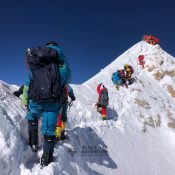
Broad Peak is often chosen as a first 8,000er because the normal route is less technical than K2 or Nanga Parbat. There are no big vertical rock walls on the standard line. The challenge is different: long days, high altitude, cold, wind, and the slow grind of a summit push that can last 12 to 16 hours.
Before you commit, ask yourself honestly:
- Have I climbed at 6,000 meters or higher, ideally with a night or two spent up there?
- Am I comfortable in crampons, on fixed ropes, and on glaciated terrain?
- Can I stay patient and positive through weeks of weather windows and rest days?
If you are missing some of these, that is fine. It simply shapes your training and the peaks you should climb first. Many of our clients tackle a 6,000 or 7,000-meter peak before attempting Broad Peak.
Understand the Expedition Before You Train for It
A typical Broad Peak expedition runs about five to seven weeks, door to door, during the summer climbing season (generally late June to August). The journey looks like this:
- Arrival in Islamabad and briefings, then travel to Skardu in Gilgit-Baltistan.
- The approach trek from Askole along the Baltoro Glacier, usually around a week, passing Paiju and Urdukas and arriving at Concordia.
- Broad Peak Base Camp, where the team settles in and acclimatization begins.
- Rotations up the mountain through the high camps, then a summit push when the weather allows.
- The return trek to Askole and the drive back to Skardu.
Knowing this rhythm matters. Your training should prepare you for a long trek carrying a daypack, followed by weeks of repeated effort at altitude, not a single dramatic day.
Build Your Fitness: A 6 to 9 Month Training Plan
Start at least six months out, and nine if you can. Think of your preparation in three phases.
Phase 1: Build the Base (Months 1 to 3)
Focus on aerobic endurance and general strength. Aim for three to five cardio sessions a week: running, cycling, swimming, or long brisk hikes. Add two strength sessions a week with squats, lunges, step-ups, deadlifts, and core work. Your goal is a strong engine and strong legs.
Phase 2: Mountain-Specific Training (Months 4 to 6)
Now make it specific. Do long hikes with a loaded pack, building up gradually to 12 to 15 kilograms. Add stair or hill sessions with the pack, and plan one big day each week (six to ten hours on your feet). If you live near hills or mountains, use them. If not, stair climbing and incline treadmill work are your best friends. Practice in your boots so your feet are ready.
Phase 3: Peak and Taper (Final 6 to 8 Weeks)
Stretch your longest outings, ideally on multi-day trips with back-to-back hard days, because that is exactly what the Baltoro approach and summit rotations feel like. In the final two weeks, ease off. Arrive in Pakistan fresh, not tired.
Two extra points that climbers often forget: train your mental endurance too, since long, uncomfortable days are part of the deal, and work on mobility and injury prevention so a sore knee does not end your expedition before it begins.
Altitude Training and Acclimatization
No amount of gym work replaces proper acclimatization. The golden rule on every 8,000-meter peak is simple: climb high, sleep low.
On Broad Peak, your body adapts through a series of rotations. You climb to a higher camp, spend a night or two, then return to base camp to recover. Each cycle lets your body produce more red blood cells and adjust to the thin air. Rushing this process is the most common cause of altitude sickness and failed summits.
Before you leave home, you can help yourself by:
- Spending time at altitude on earlier trips, even 3,000 to 4,500 meters.
- Considering hypoxic (altitude simulation) training if you have access to it. Speak with a doctor experienced in high-altitude medicine first.
- Learning the early signs of acute mountain sickness (headache, nausea, dizziness, poor sleep) and being honest with your guide when you notice them.
Once on the mountain, drink plenty of fluids, eat even when you have no appetite, and never ignore symptoms. Altitude does not care how fit you are.
Essential Technical Skills
You do not need to be a technical wizard, but you do need clean basics. Before the expedition, make sure you are confident with:
- Walking in crampons on snow and ice
- Using an ice axe and self-arrest
- Ascending and descending fixed ropes with a jumar and descender
- Crevasse awareness and glacier travel
- Managing cold hands and feet, and layering correctly
A short mountaineering course or a weekend on a glacier will do wonders for your confidence.
Packing List Highlights for Broad Peak
Your gear is your life support system up high. Quality matters more than quantity.
- Boots: double or high-altitude insulated mountaineering boots, well broken in
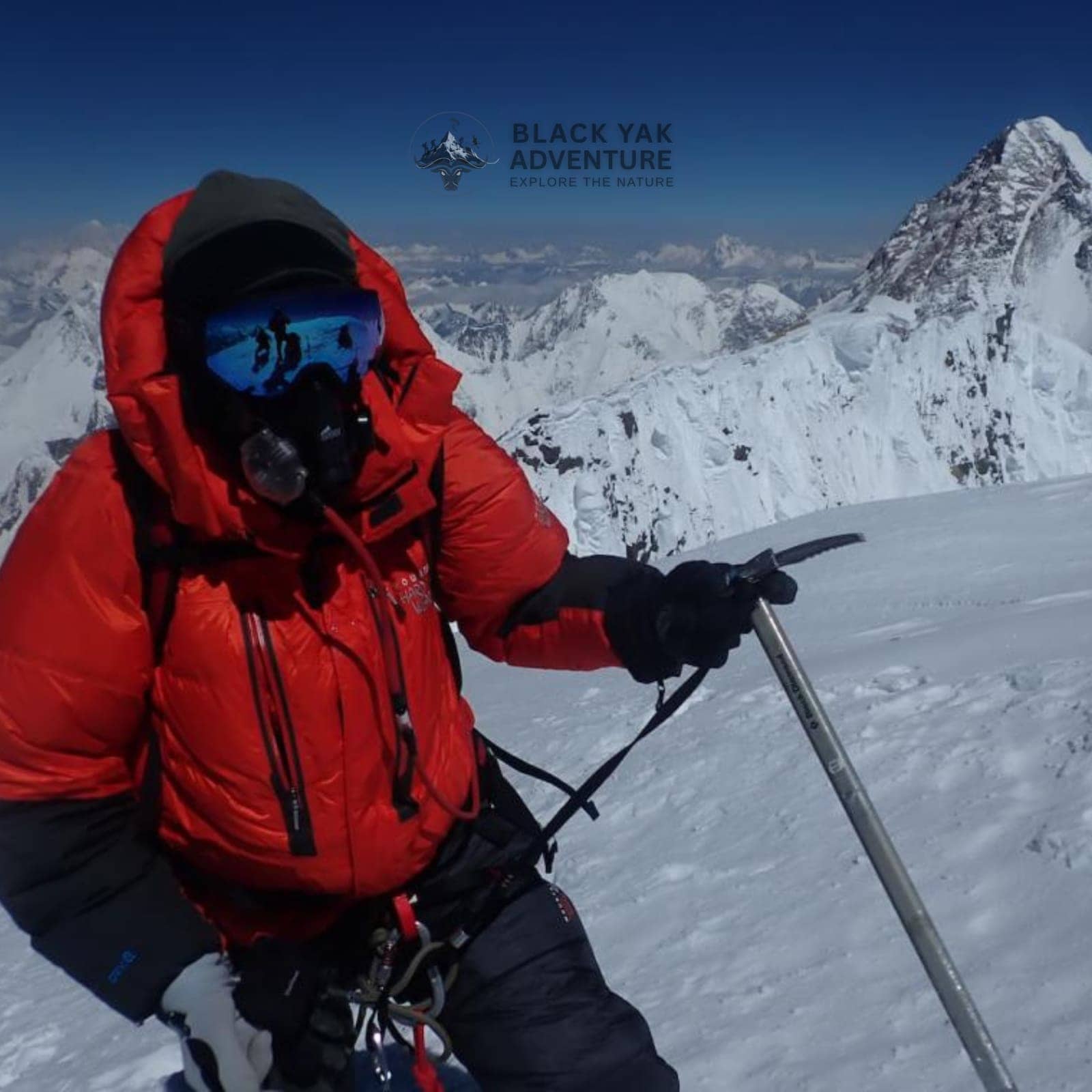
- Clothing: base layers, fleece, insulated down jacket, and a hard-shell jacket and pants
- Down suit or heavy down jacket for summit day
- Sleeping bag rated to at least -30°C, with a good sleeping pad
- Climbing hardware: harness, helmet, crampons, ice axe, carabiners
- Eyes and skin: glacier glasses with side protection, a spare pair, high-SPF sunscreen, lip balm
- Personal medical kit and any prescription medications
- Trekking poles for the long Baltoro approach
At Black Yak Adventure we help clients check their kit list well before departure, and we provide group equipment such as base camp tents, kitchen, and fixed ropes, so you only worry about your personal gear.
Understand the Risks and Respect Them
Broad Peak is a serious mountain. The main dangers are rockfall, avalanche, crevasses, and sudden storms, plus the quiet danger of exhaustion at extreme altitude. On summit day, there is also a long traverse to the true summit across a ridge, which can feel endless when you are tired.
The best preparation is humility. Set a firm turnaround time before you leave camp and stick to it, even if the summit looks close. Listen to your guide, who understands these slopes and the local weather far better than any forecast app.
Permits, Insurance and Logistics
Climbing in Pakistan requires a proper permit and a registered local operator. You will also need travel insurance that specifically covers high-altitude climbing up to 8,000 meters and helicopter evacuation. Many standard policies exclude this, so read the fine print. It is also wise to get a medical check-up and dental check before you go, since neither is easy to arrange once you are on the glacier.
A good expedition company handles the permits, transport, porters, cooks, and base camp operations, and makes sure everything is legal, safe, and well organized.
Choose the Right Team
Your guides and support crew will shape your whole experience. Look for an operator with real experience on the Baltoro, a clear safety plan, fair treatment of porters and staff, and transparent communication about what is included. Ask about guide-to-client ratios, emergency procedures, and how weather and acclimatization are managed.
As a locally led company in Gilgit-Baltistan, Black Yak Adventure works with guides who grew up beside these mountains. That knowledge of the terrain, the weather, and the people is something no brochure can replace.
Final Thoughts
Preparing for Broad Peak is a journey in itself. Train steadily, build your skills, respect altitude, pack smart, and choose a team you trust. Do those things, and the long ridge you once admired from Concordia becomes a real, reachable goal.
Ready to take the first step? Contact Black Yak Adventure to plan your Broad Peak expedition, ask questions about training, or build a custom itinerary on the Baltoro.
Frequently Asked Questions
How hard is Broad Peak compared with K2? Broad Peak is generally considered less technical than K2, but it is still a demanding 8,000-meter climb. The altitude, cold, and long summit day make it a serious undertaking.
When is the best time to climb Broad Peak? The main season is the summer months, usually late June through August, when weather on the Baltoro is most stable.
Do I need supplemental oxygen on Broad Peak? Many climbers attempt it without bottled oxygen, while others choose to use it. Your experience, fitness, and comfort level should guide the decision, and your guide can help you plan.
How long does a Broad Peak expedition take? Plan for roughly five to seven weeks including travel, the Baltoro trek, acclimatization, and the summit window.
What experience do I need? Previous high-altitude climbing, ideally above 6,000 meters, plus solid basic mountaineering skills.
Internal link suggestions: K2 Base Camp trek page, Gasherbrum expedition page, Our Mission and Vision page, Contact/Booking page.
Image alt text ideas: “Climbers on the Baltoro Glacier heading toward Broad Peak”, “Broad Peak 8,047m from Concordia, Karakoram”, “Black Yak Adventure team at Broad Peak Base Camp”.
Recent Posts
7 Best 7,000m Peaks in Pakistan for Aspiring Mountaineers
A Day on the Baltoro Glacier: What a K2 Trek Feels Like