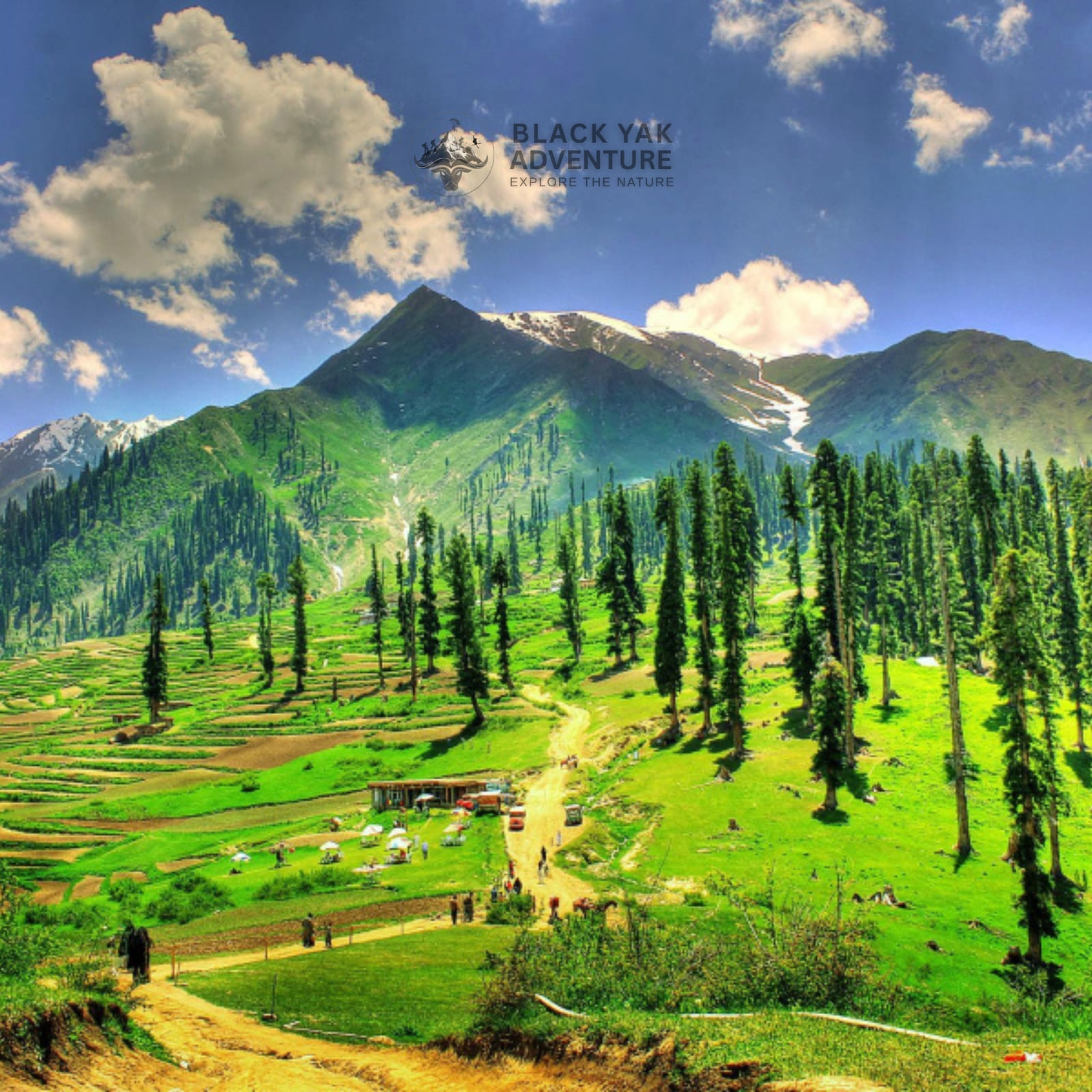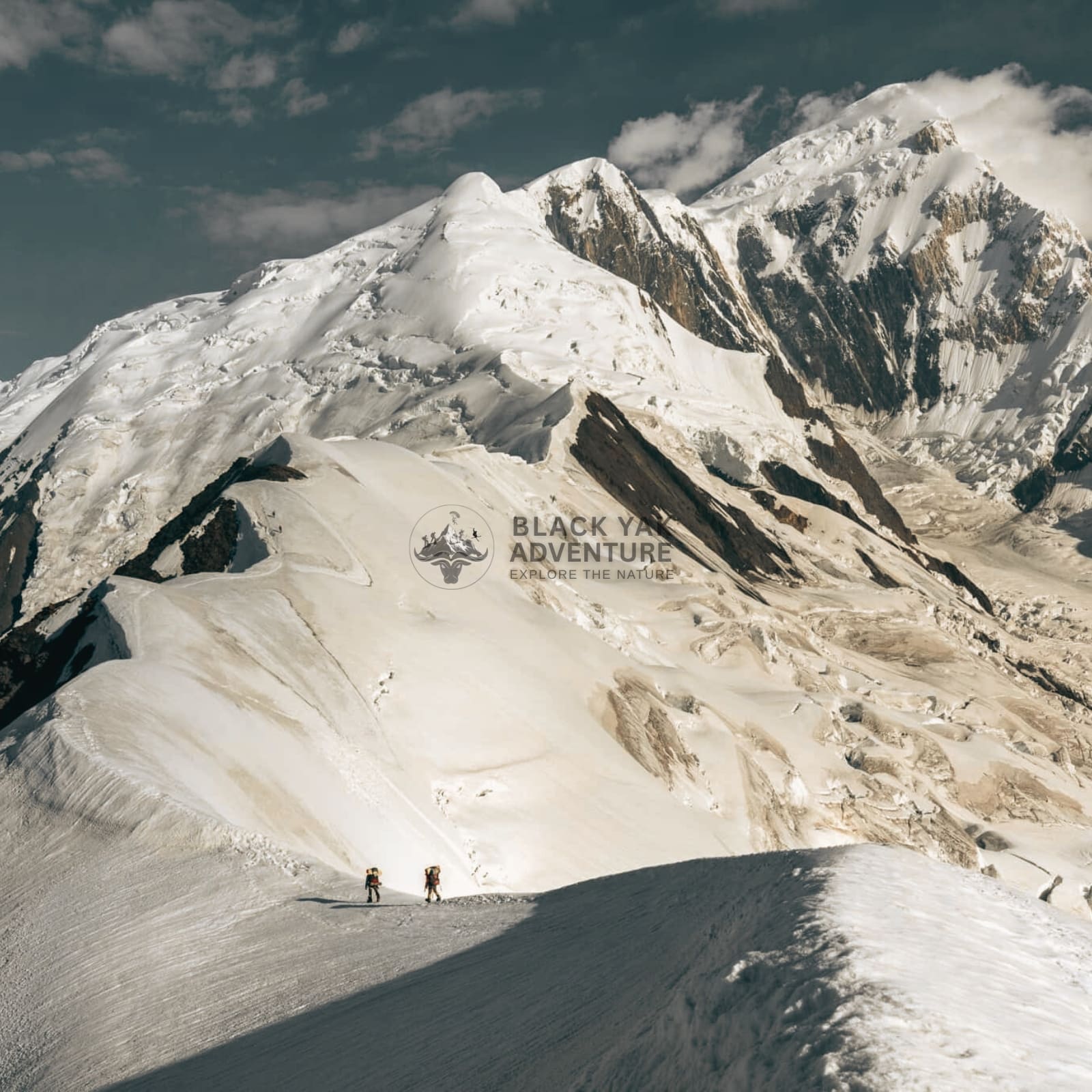
Hunza Valley: The Crown Jewel of the Karakoram – Top Destinations to Explore Hunza Valley is a travel experience like no other, an eternal cradle of history, culture, and pristine nature nestled in the high-altitude wonders of Pakistan. Historically a princely state, this “Bride of the Karakoram,” situated in Gilgit-Baltistan, offers a professional journey that begins with its Silk Road heritage and concludes with contemporary alpine luxury.
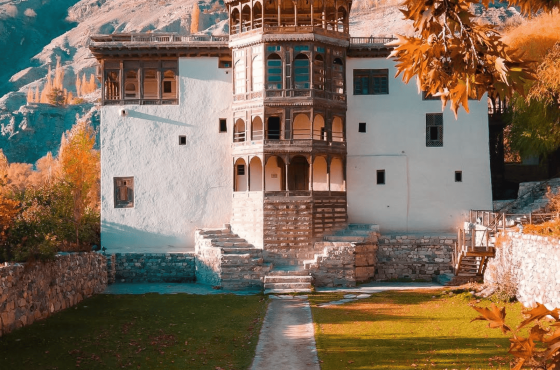
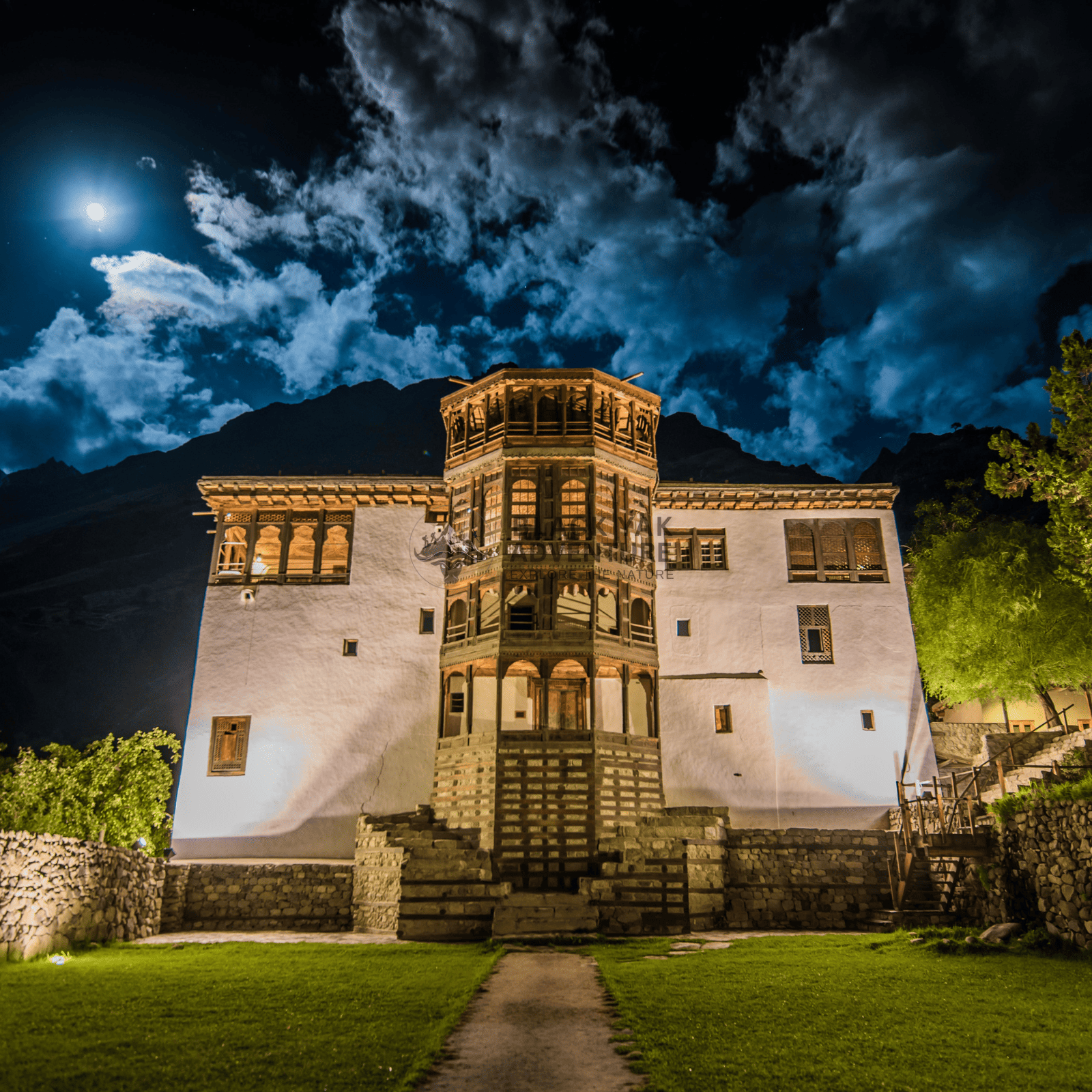
Central Hunza: Karimabad and ancient fortresses The journey in Hunza normally starts in Karimabad, the political, cultural, and economic centre of the region. Formerly known as Baltit, it’s a cluster of old-fashioned winding streets, bustling bazaars, and historical monuments. Baltit Fort – Perched dramatically on a steep rock, the 700-year-old Baltit Fort is the former stronghold of the Mirs of Hunza.
Reflecting Tibetan influences, the fort, after extensive restoration, now serves as a museum.
Its balconies offer sweeping vistas across the Hunza valley. Altit Fort – Almost 400 years older than its counterpart, Baltit Fort, the historic Altit Fort stands majestically on a cliff overlooking the river. The iconic Shikari tower served as a defence against enemy incursions. The nearby Altit Village provides an insight into sustainable heritage management practices, with its centuries-old stone structures blended seamlessly with fruit-laden trees.
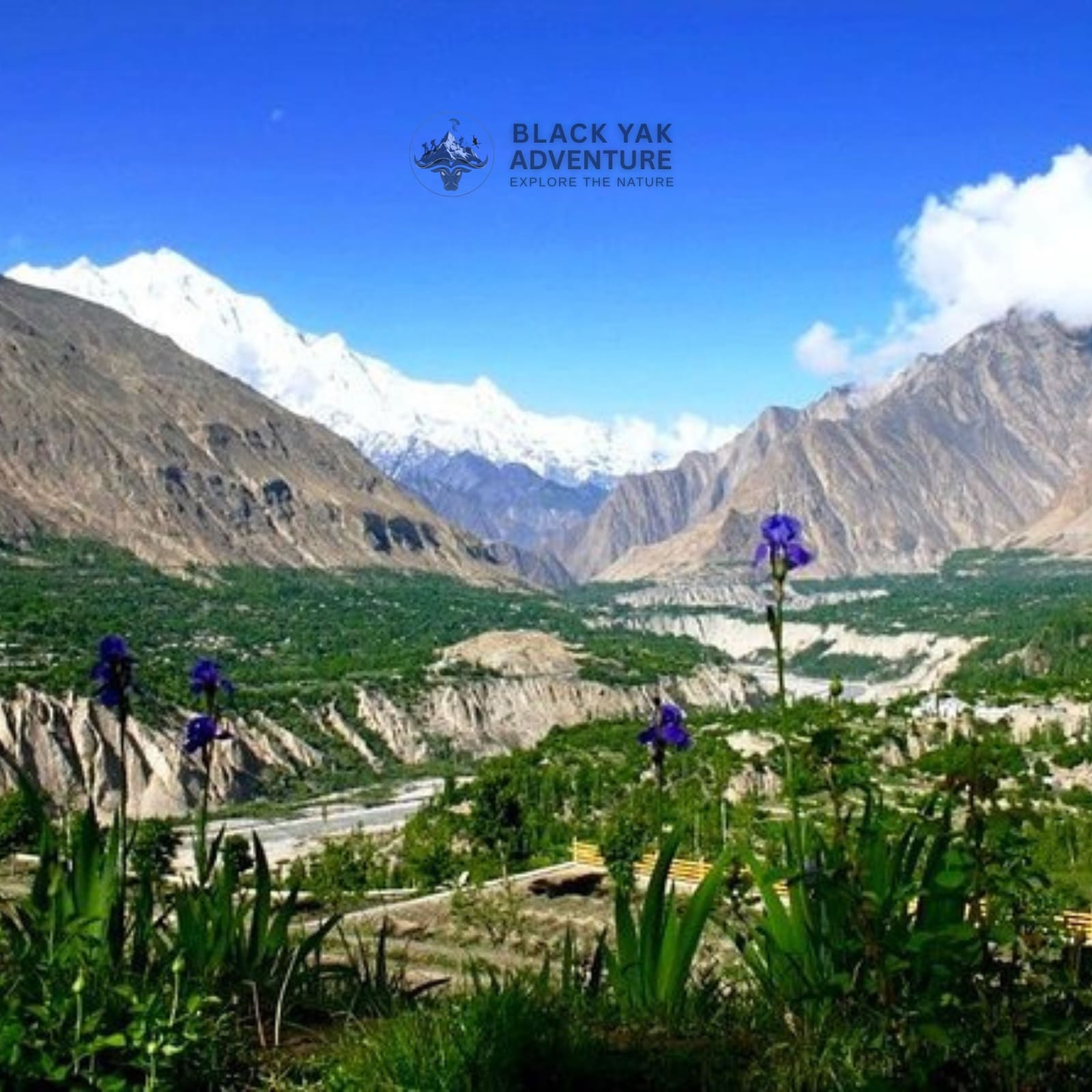
The Mountains: Rakaposhi & Duikar You’ll find yourself constantly surrounded by towering, imposing peaks as you move along the valley.
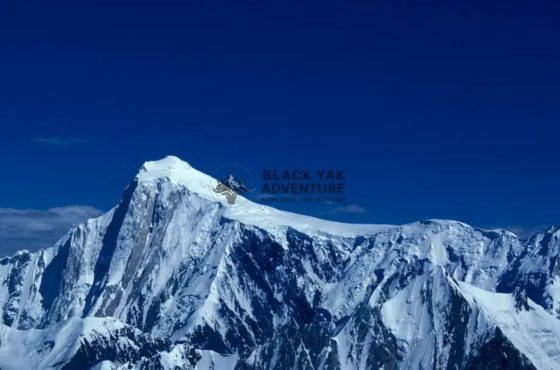
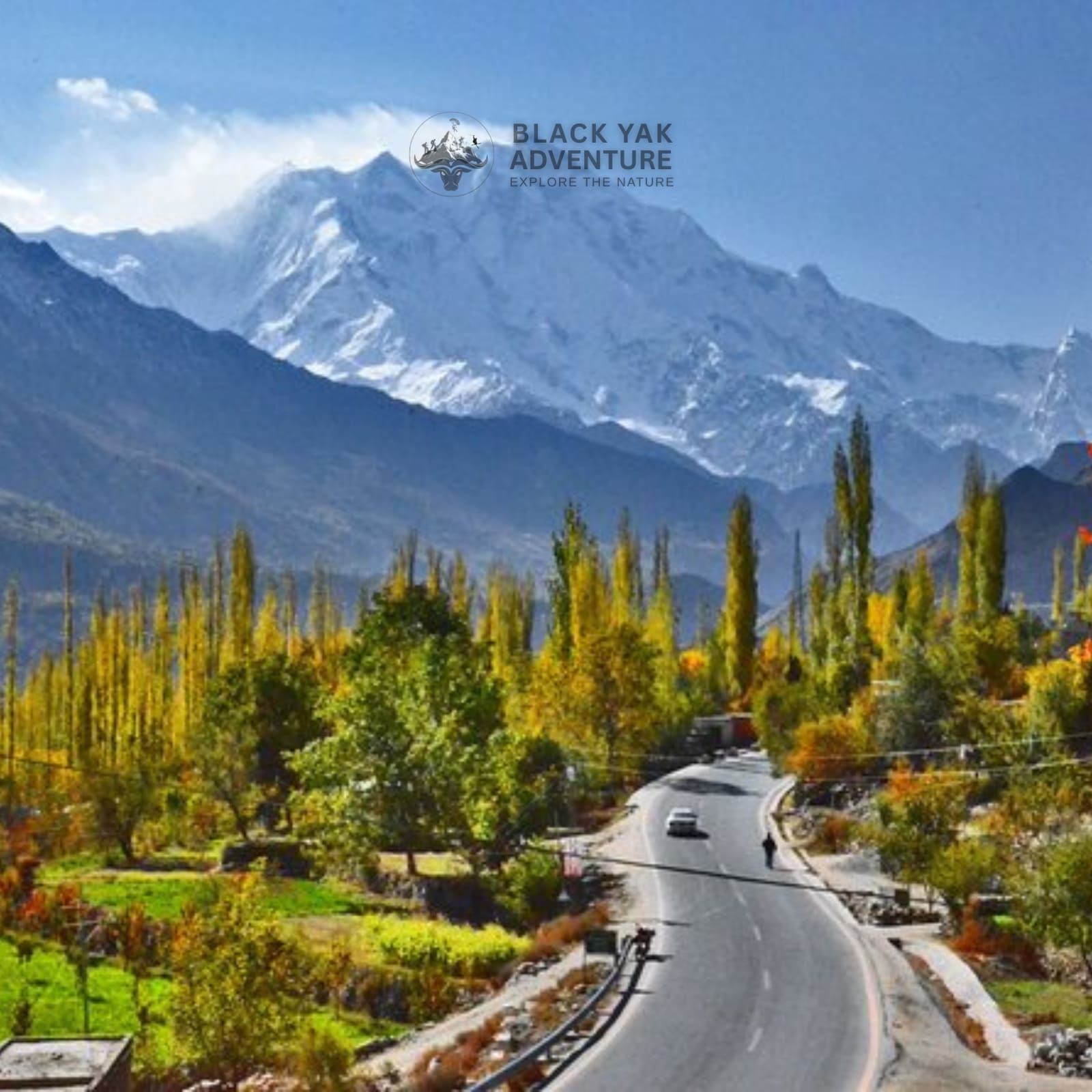
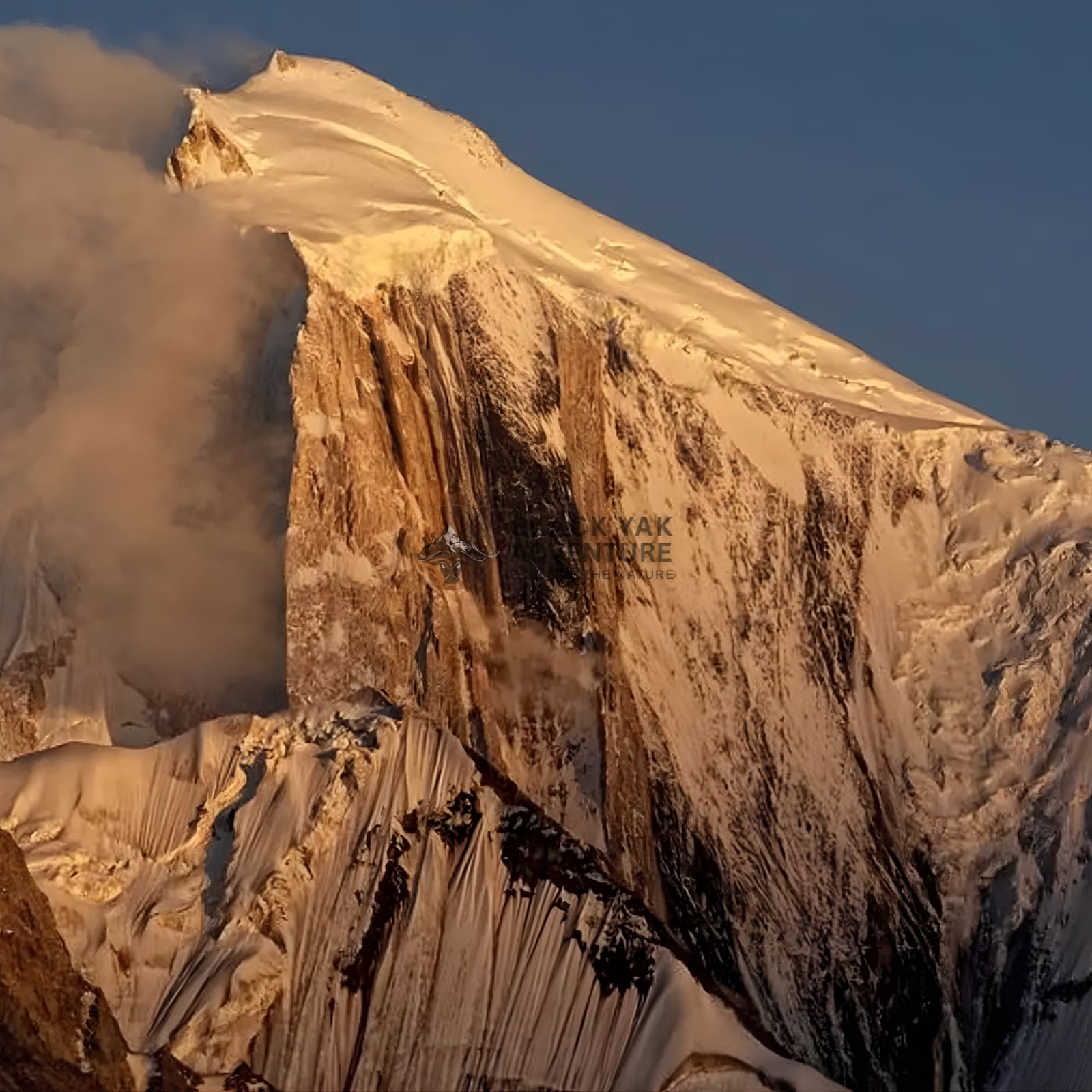
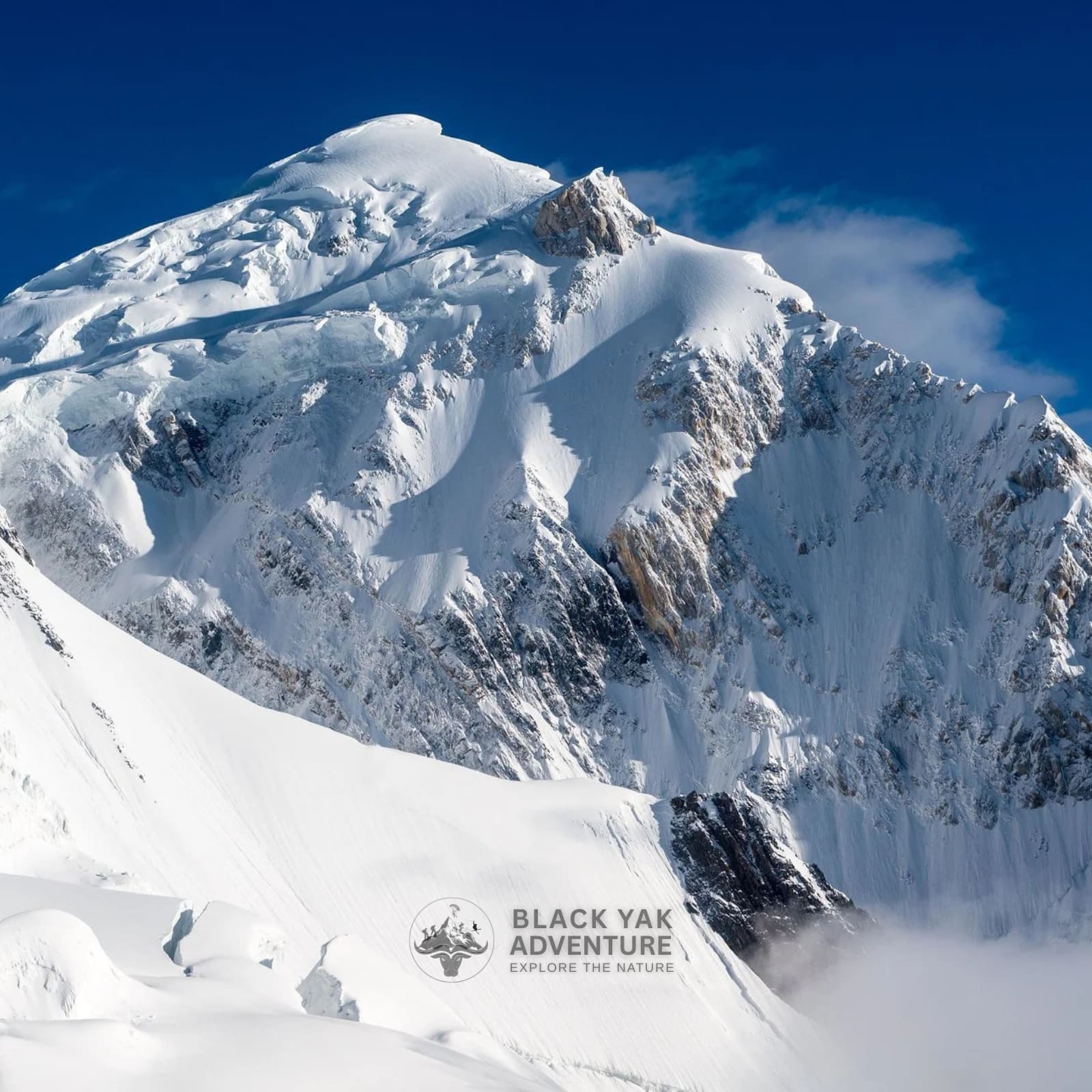
Rakaposhi viewpoint – From Ghulmet village, one can observe a massive, 7,000m+ mountain standing right beside the Karakoram Highway, an unusual phenomenon anywhere on earth. Commonly referred to as ‘Mother of Mist’, it rises almost perpendicular to the valley floor, creating an arresting visual effect for visitors. Eagle’s Nest viewpoint (Duikar) – For the most photogenic, symmetrical view of the Karakoram, this is the place.
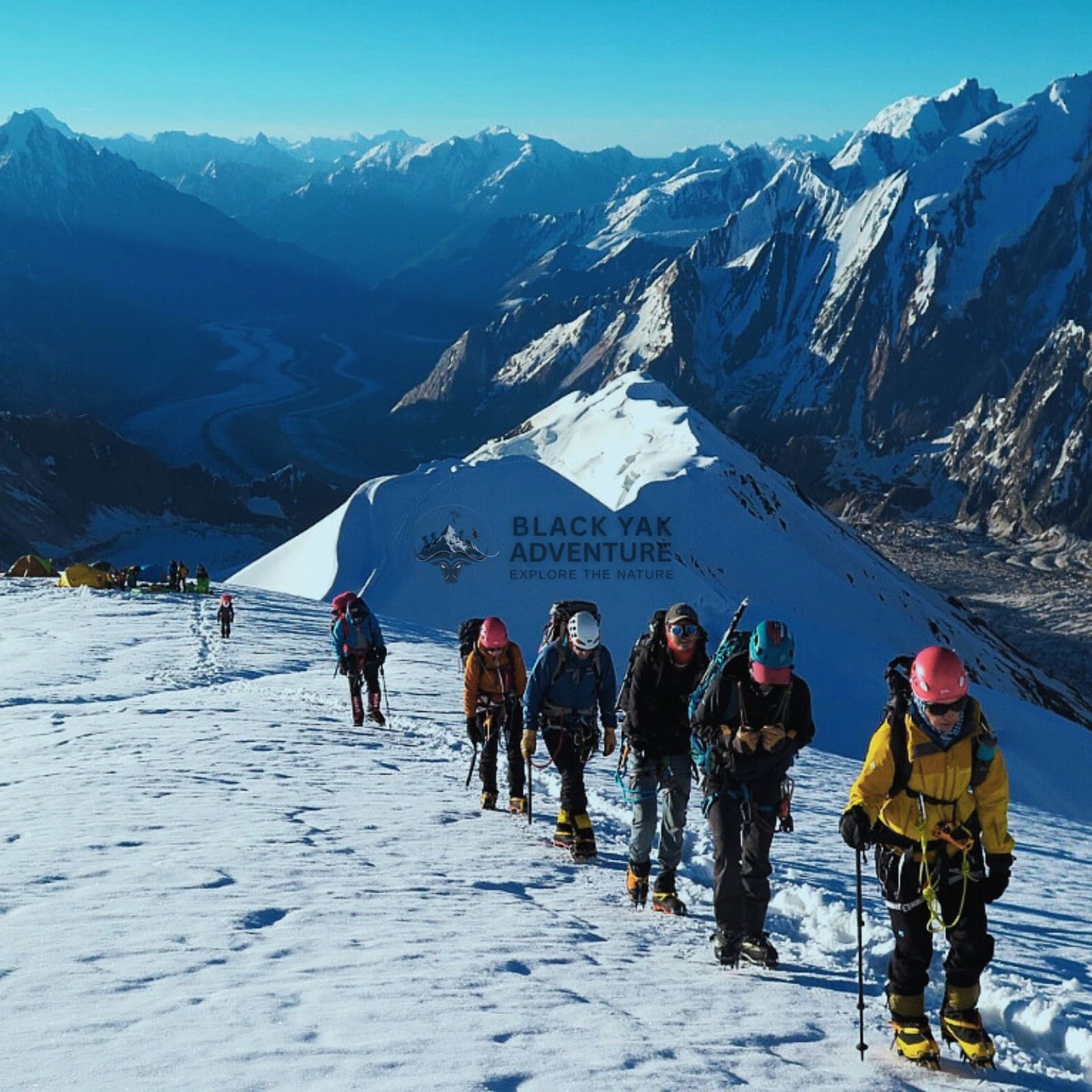
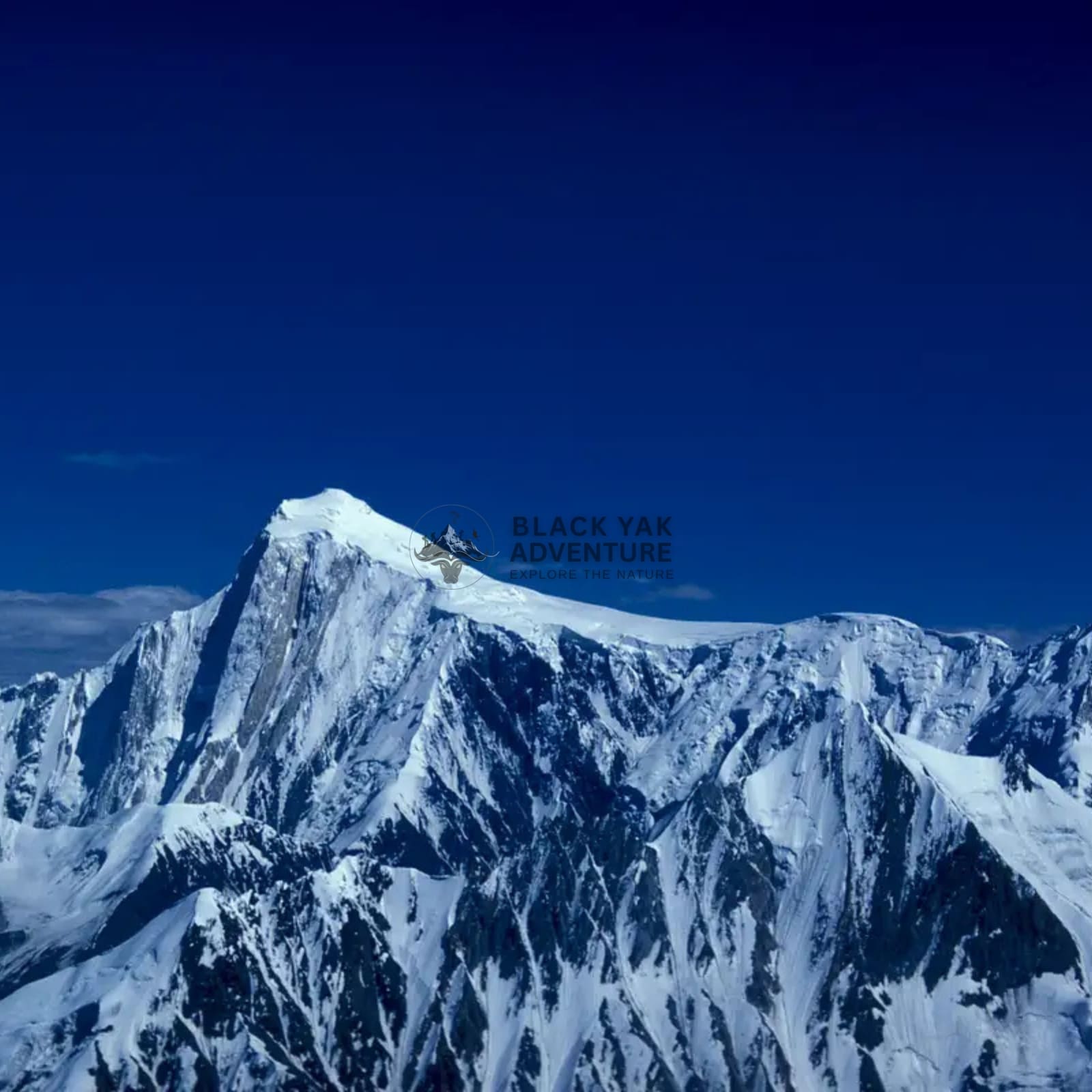
You will witness a spectacle as a dozens of peaks including Ladyfinger, Ultar Sar, Golden Peak appear majestically from dawn to dusk. The plateau in Duikar offers the best viewing points in all of Northern Pakistan. Upper Hunza (Gojal) – A world of extremes Going northwards from the central Hunza towards the border with China, Gojal valley’s landscape becomes much more rugged, dominated by dramatic natural phenomena and turquoise waters.
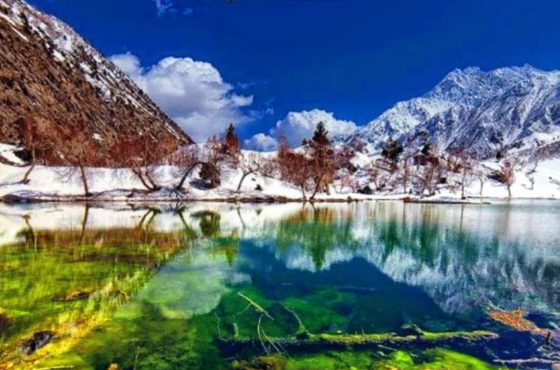
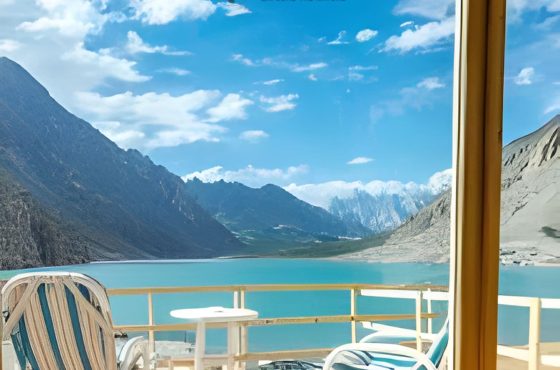
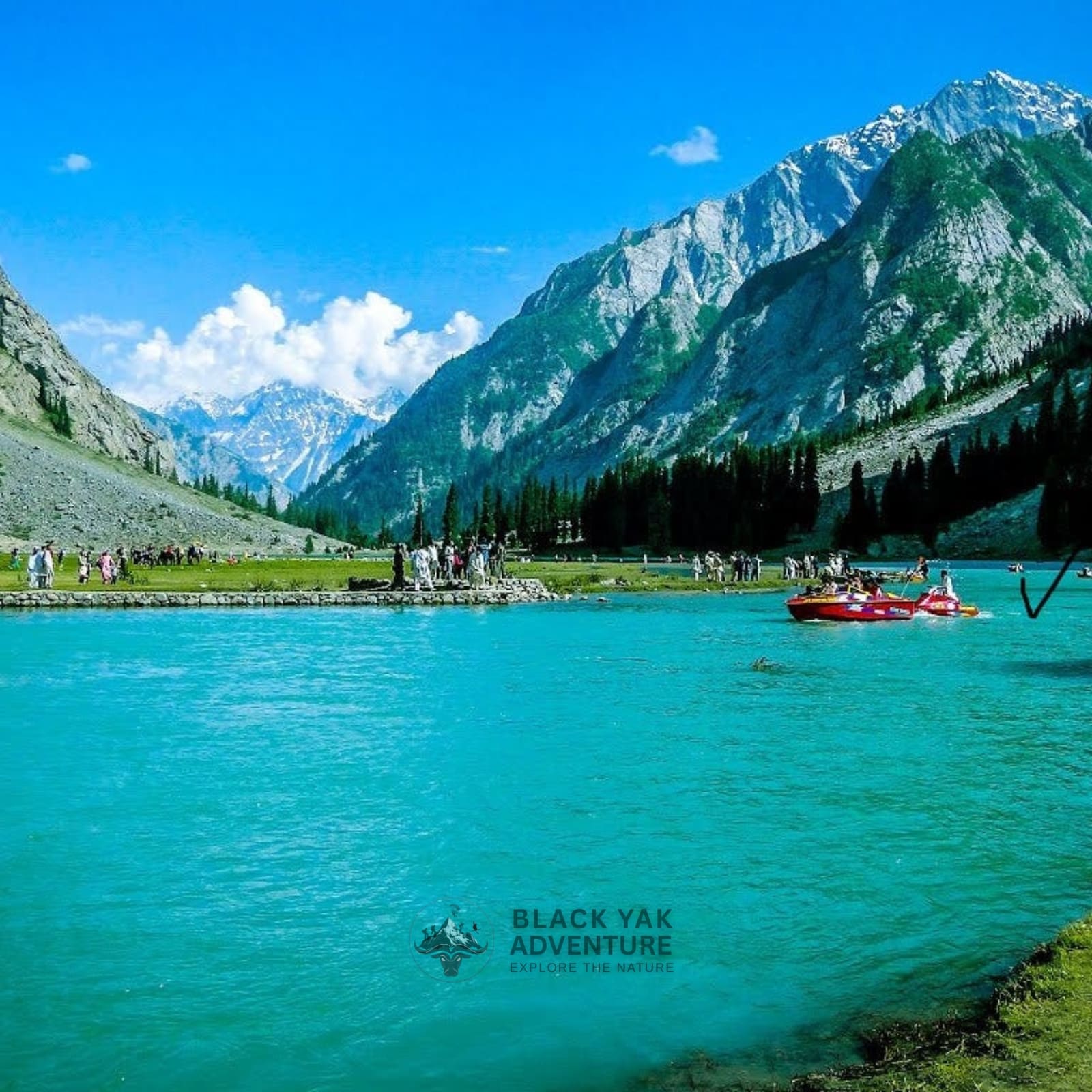
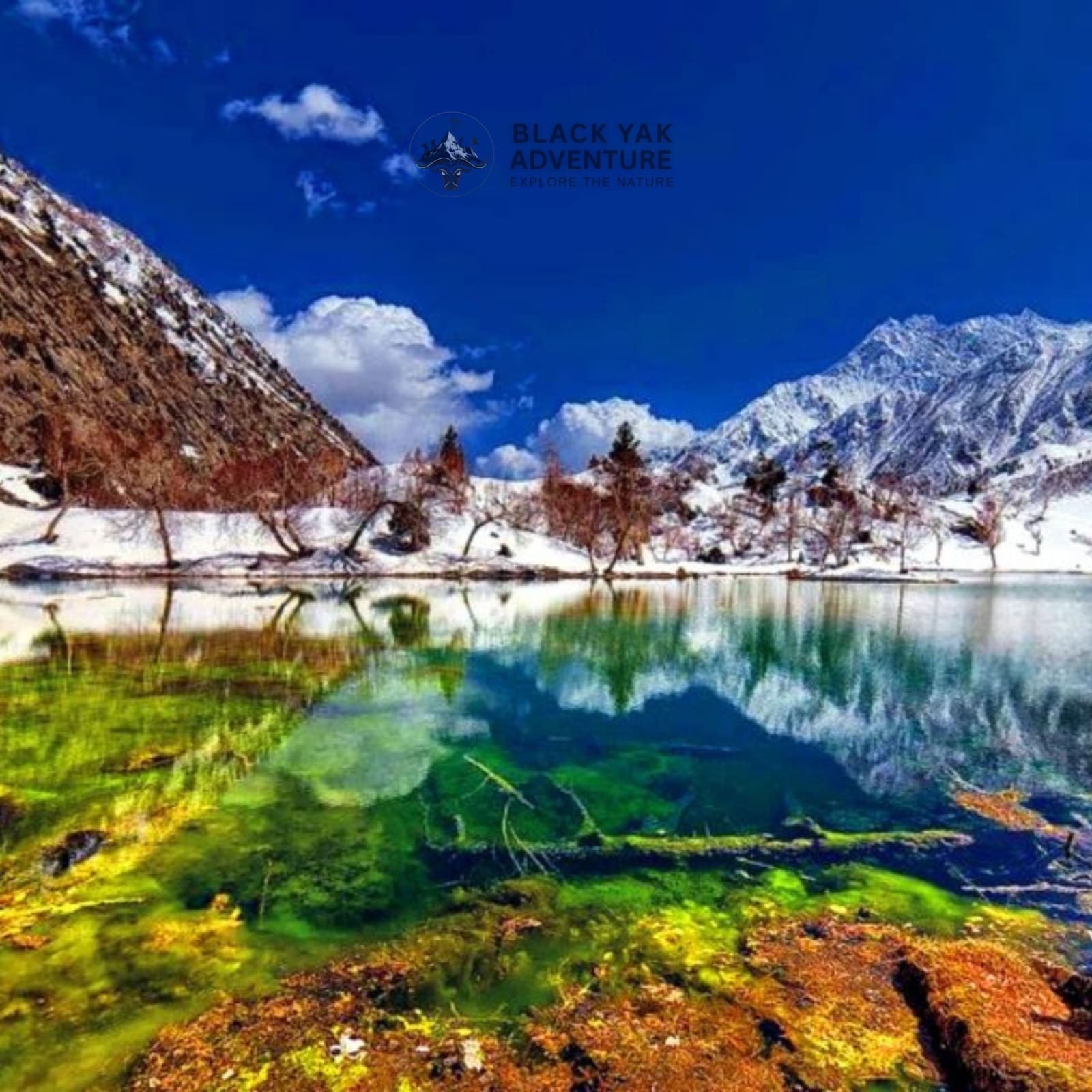
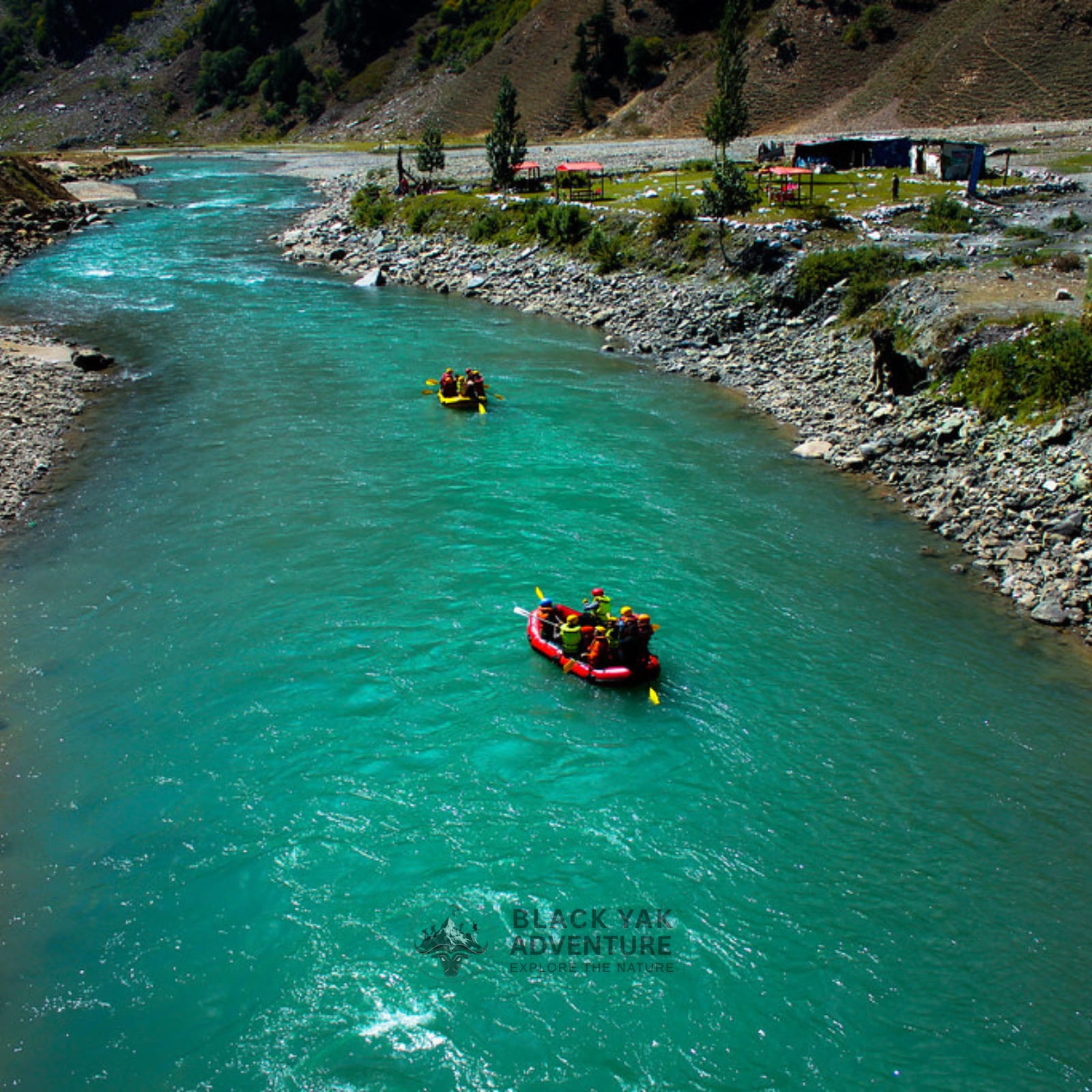
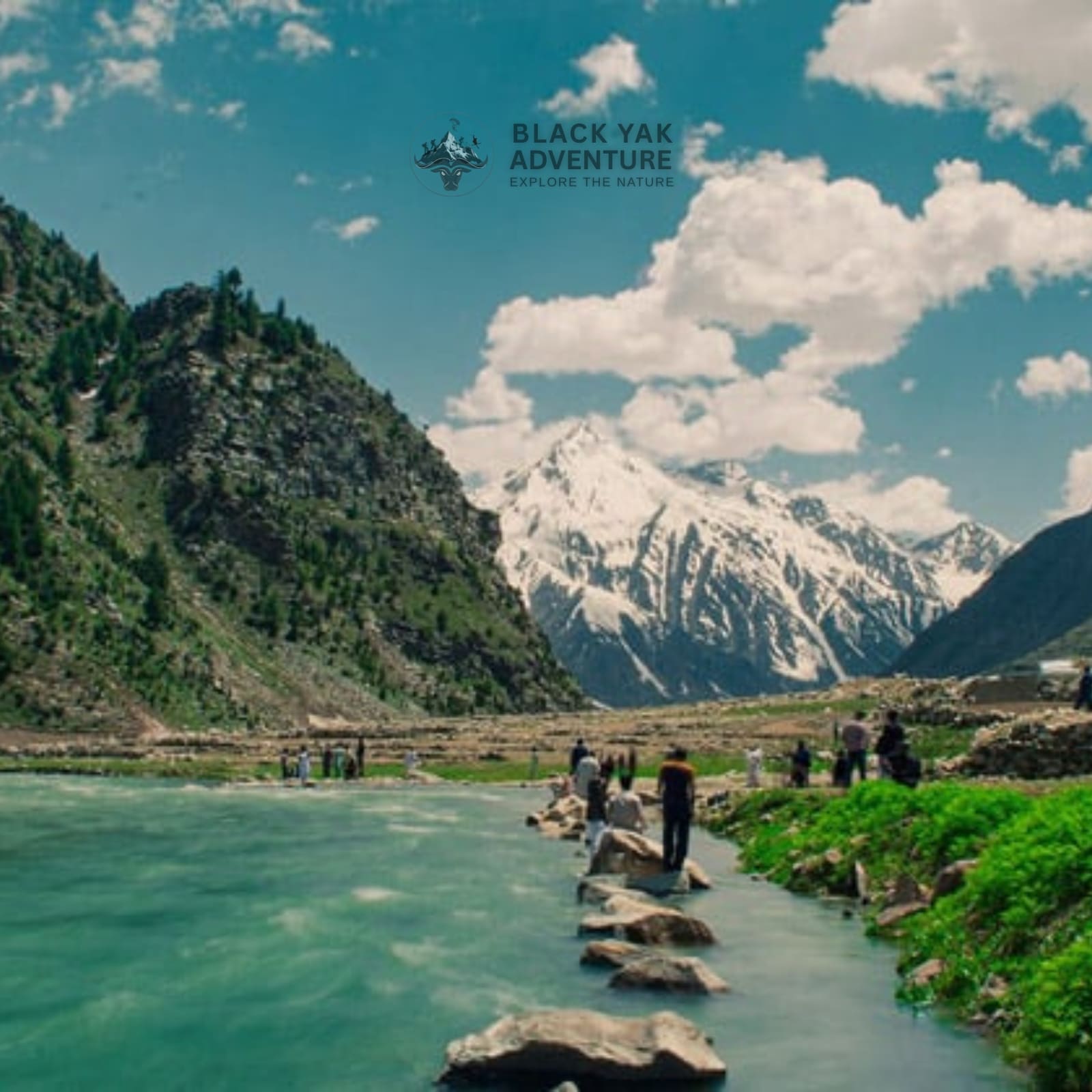
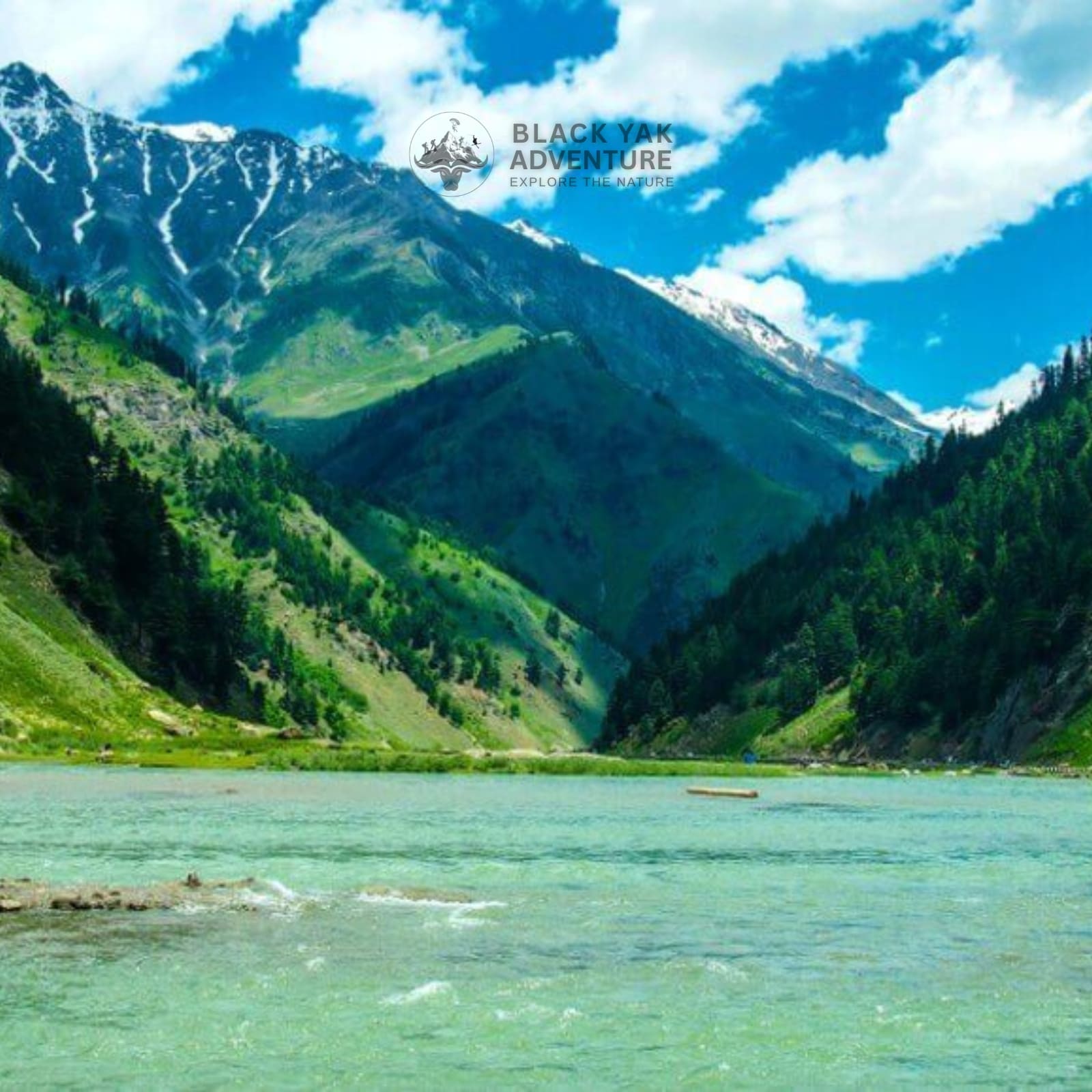
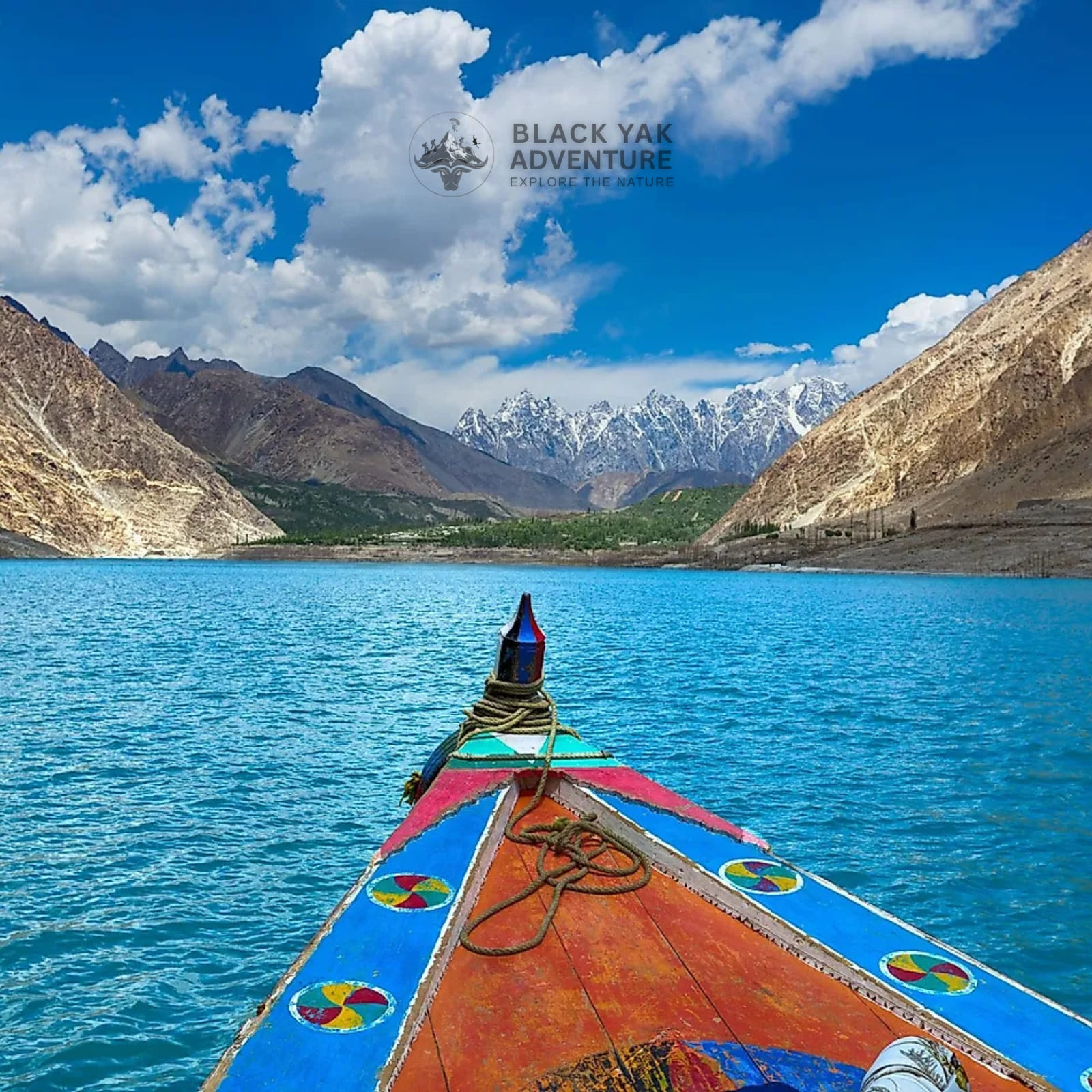
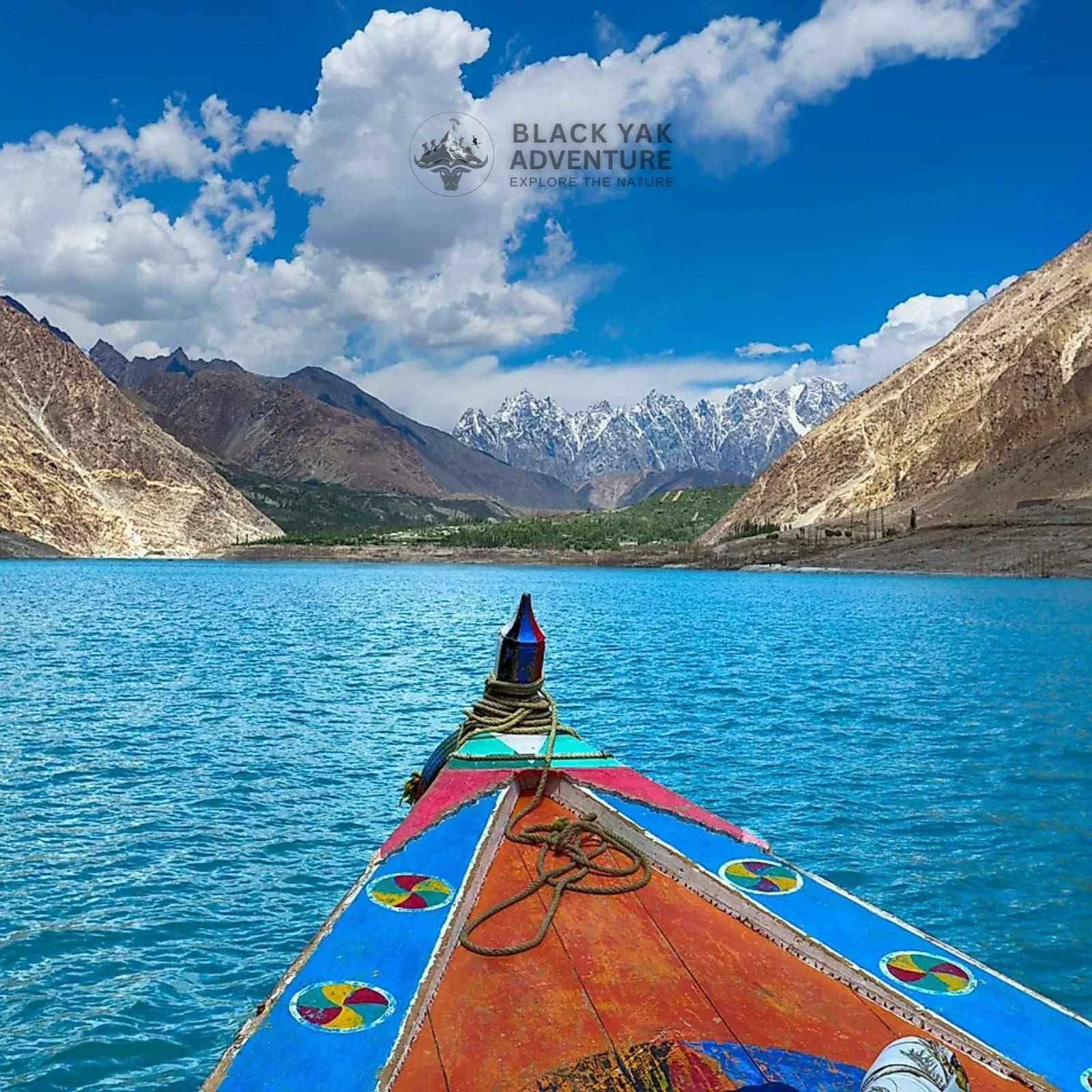
Attabad Lake – The 21-km long artificial lake created in 2010 following a massive landslide shot to international fame due to its brilliant turquoise water.
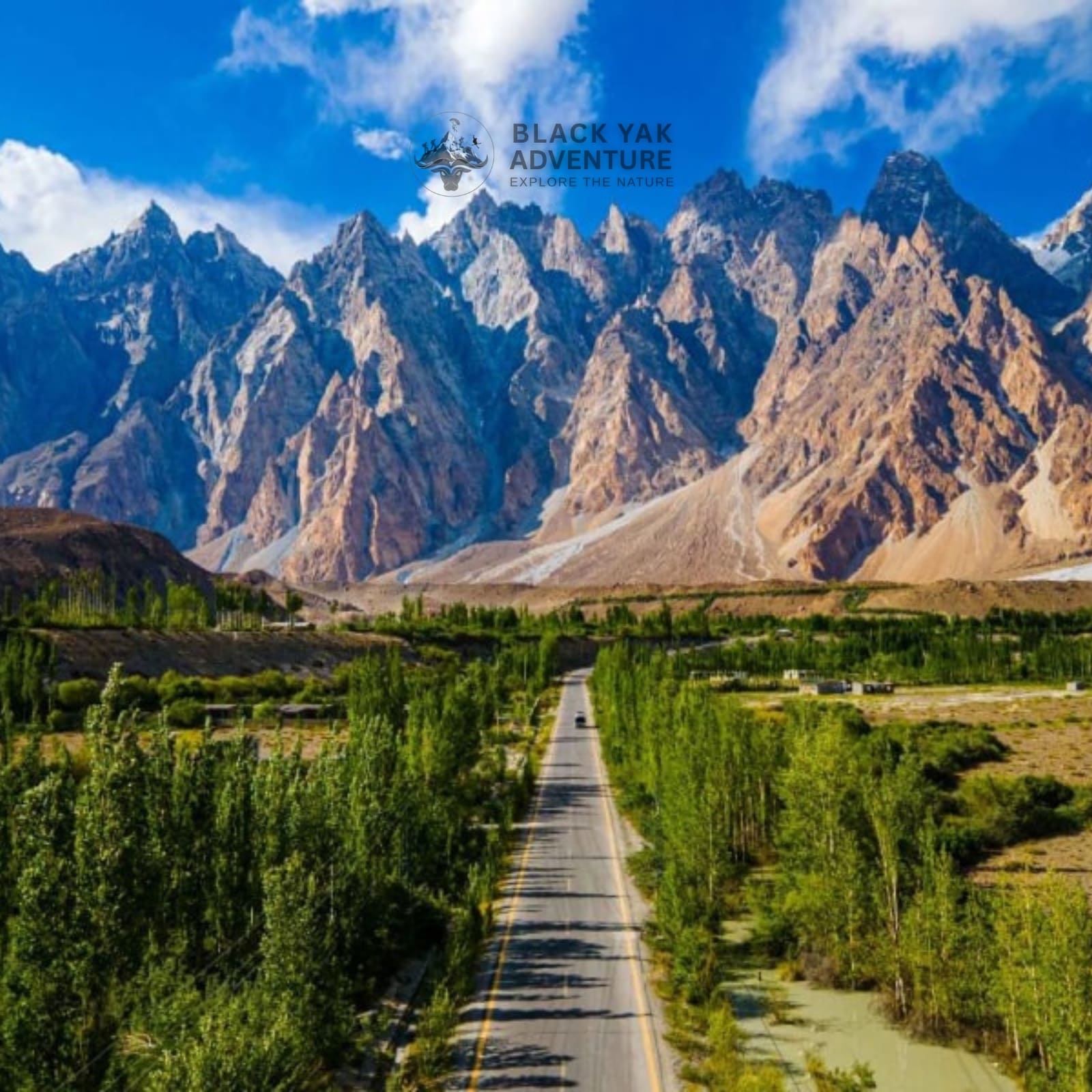
The lake has now been converted into one of the top attractions with lakeside resorts, jet skiing and boating facilities. Passu Cones (Tupopdan) – These sharp, conical granite peaks form a captivating skyline in the Passu village area. This sequence of 12 peaks, with their sharp “cathedral” like points, is one of the most photographed sights in the world. Hussaini suspension bridge – Considered one of the world’s most precarious suspension bridges, the narrow, wooden planks of this bridge cross the Hunza River.
It’s an exciting experience for the brave souls, with the dramatic backdrop of Passu Cones.
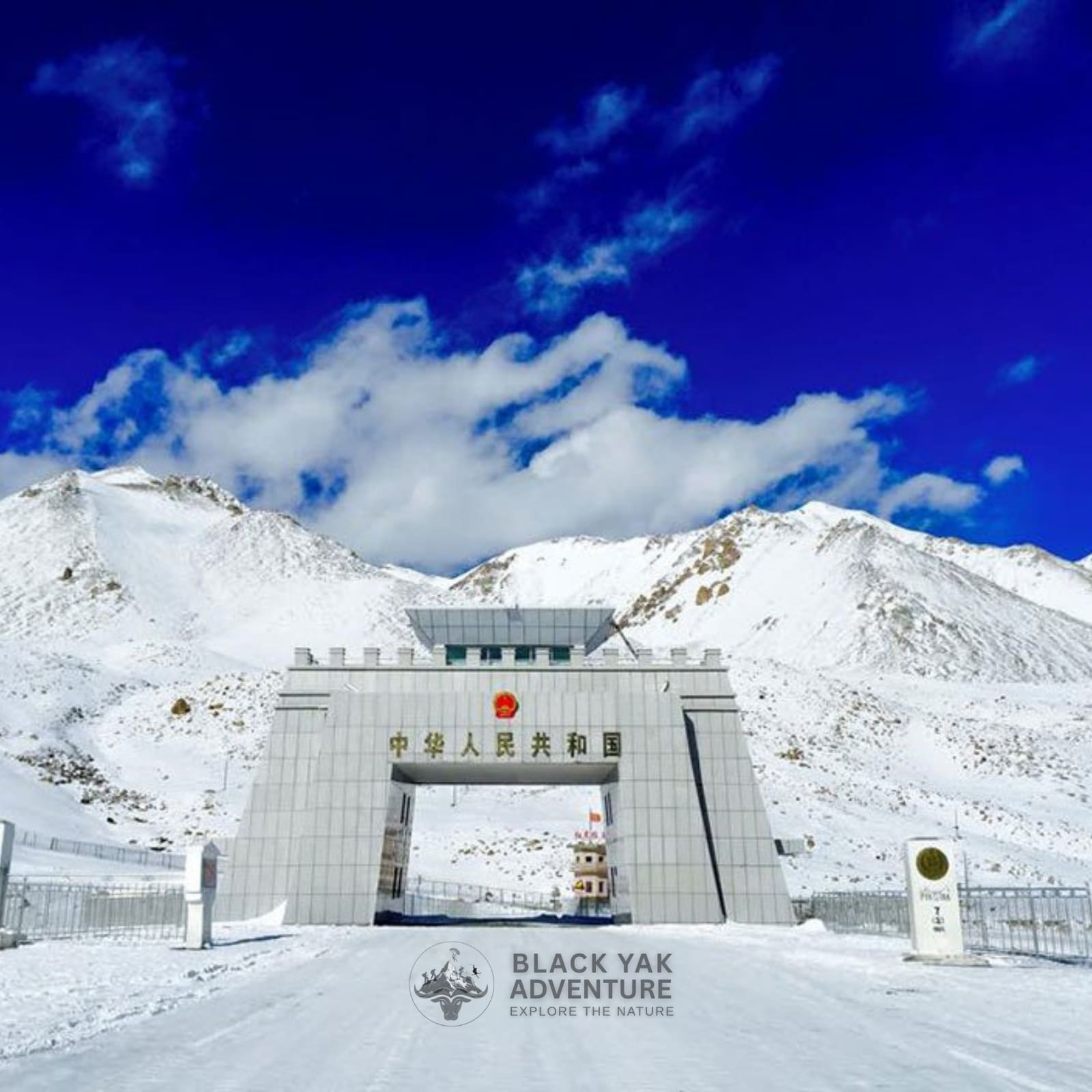
The Frontier: Khunjerab Pass & Sost On the far northern reaches of your Hunza tour is the highest paved border crossing in the world, the Khunjerab Pass at 4,693 metres (15,397 ft). The Pak-China Border – This imposing border gate separates Pakistan from China. On both sides of the border, within Khunjerab National Park, you might be lucky enough to spot Siberian Ibex, Golden Marmots and if truly fortunate, the rare Snow Leopard.
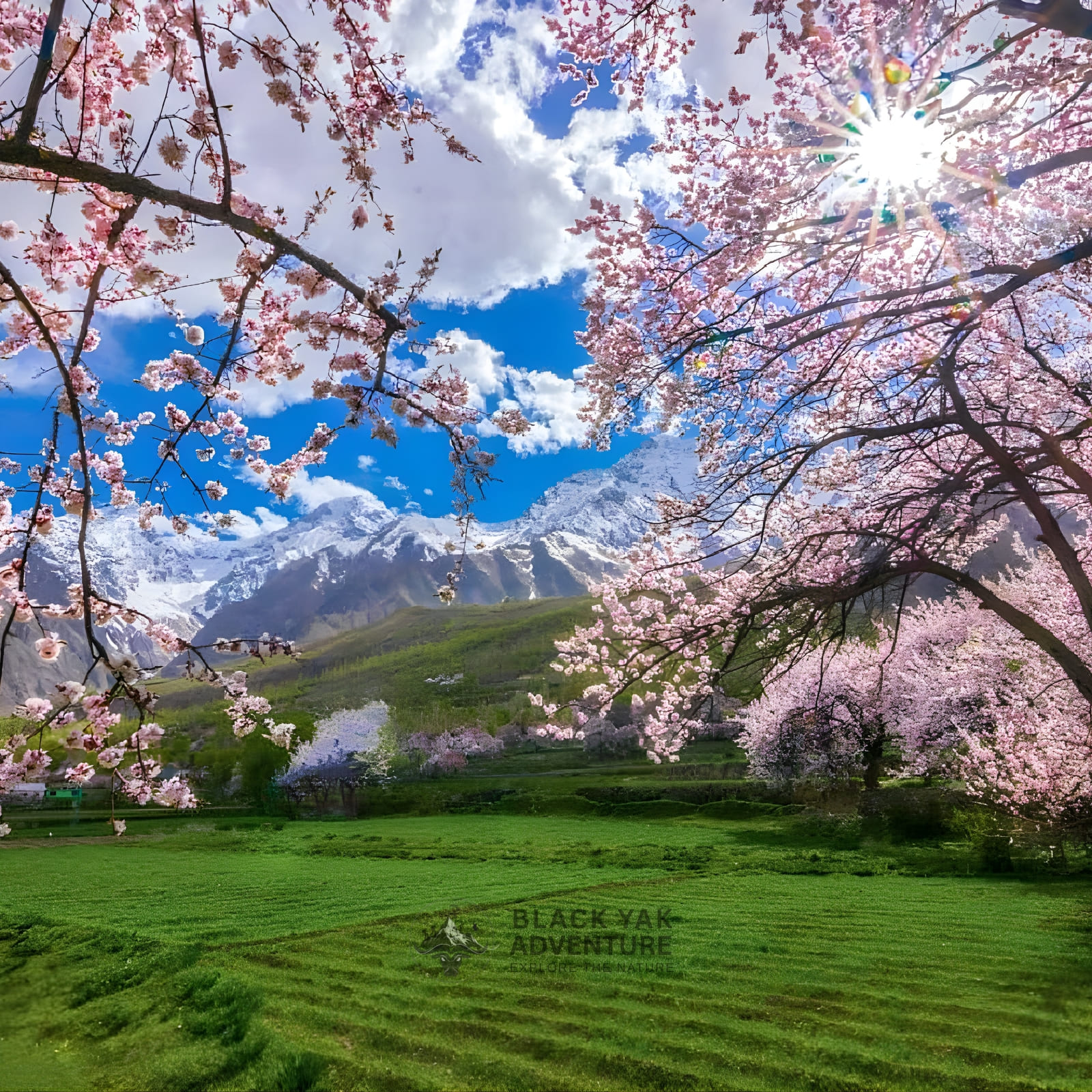
Sost Valley – As the last town before you reach the Khunjerab Pass, Sost serves as a dry port for goods travelling between China and Pakistan and remains a vibrant centre where Silk Road cultures meet. Seasons in Hunza Hunza’s natural beauty transforms with the changing seasons. Spring (March-May): Witness an explosion of white and pink blossoms on apricot and cherry trees against the snow-dusted Karakoram range.
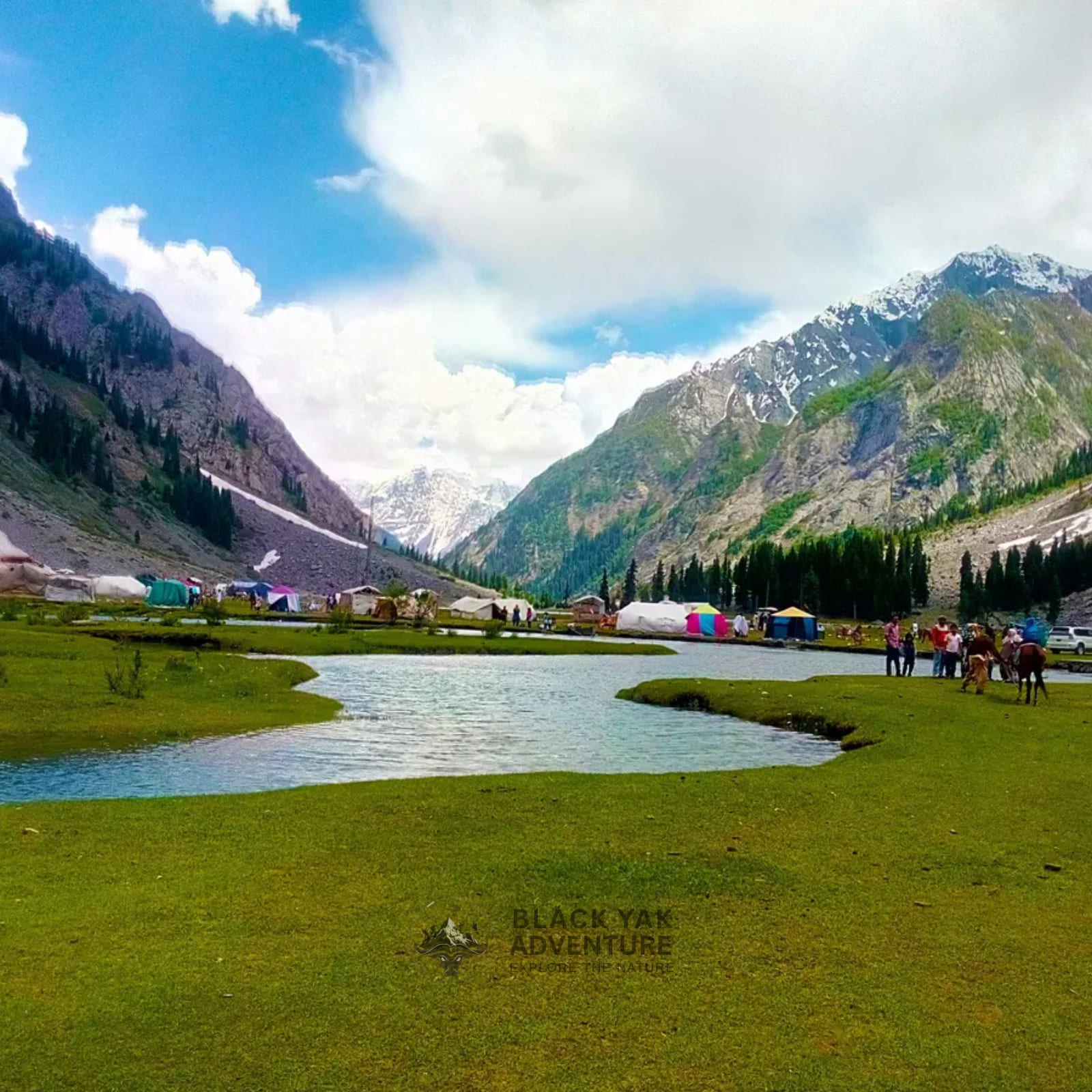
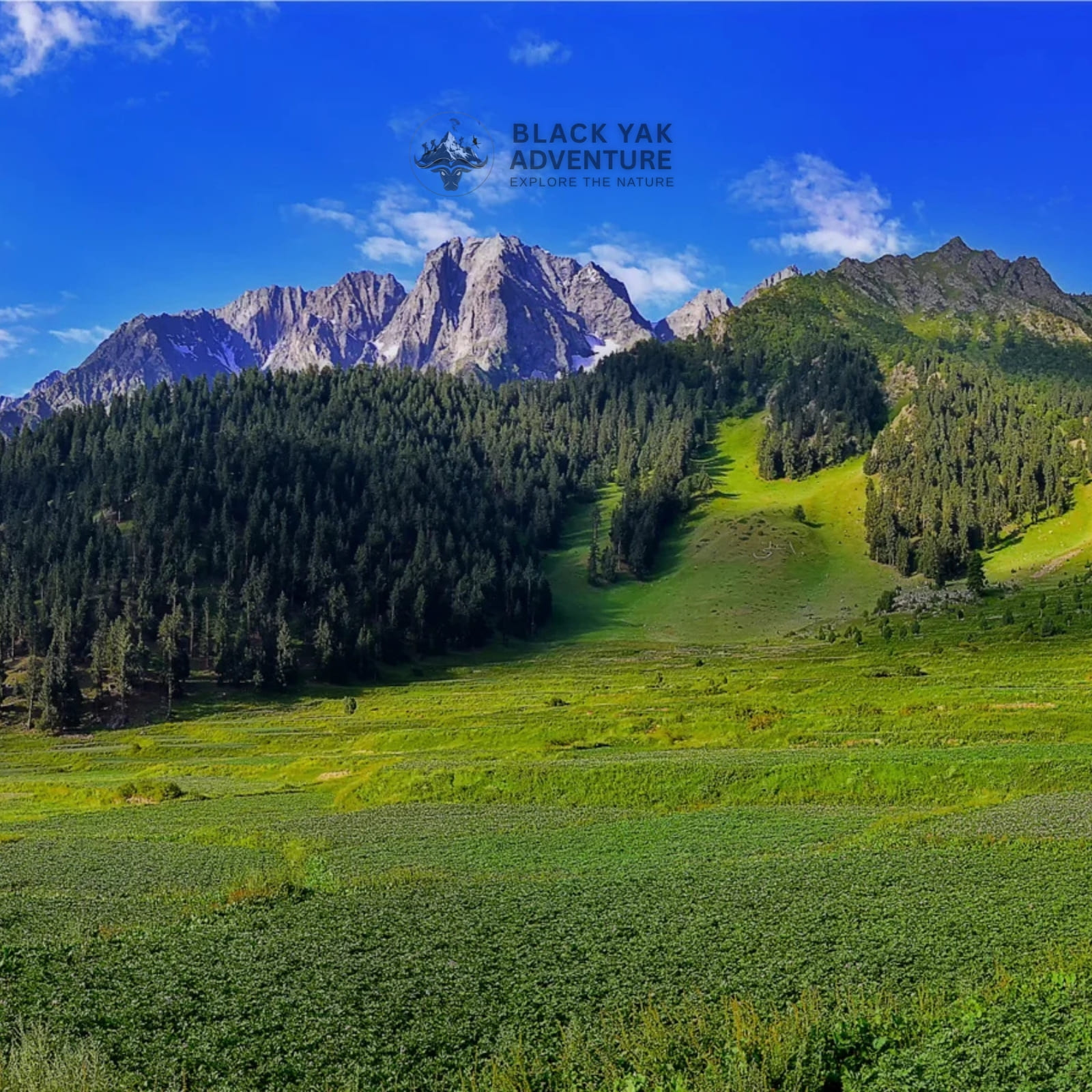
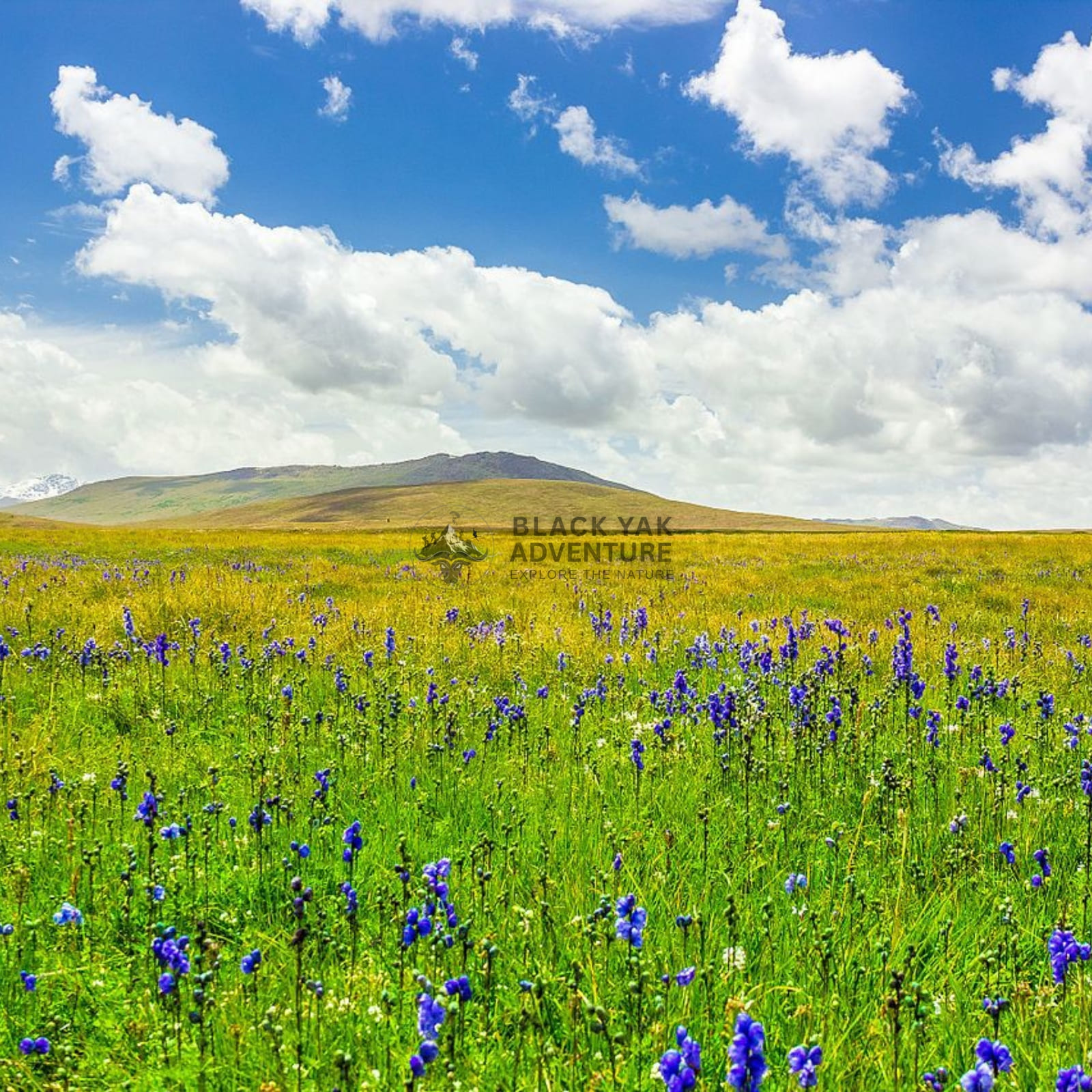
Summer (June-August): The best season for trekking and high-altitude activities, with clear blue skies and verdant landscapes.
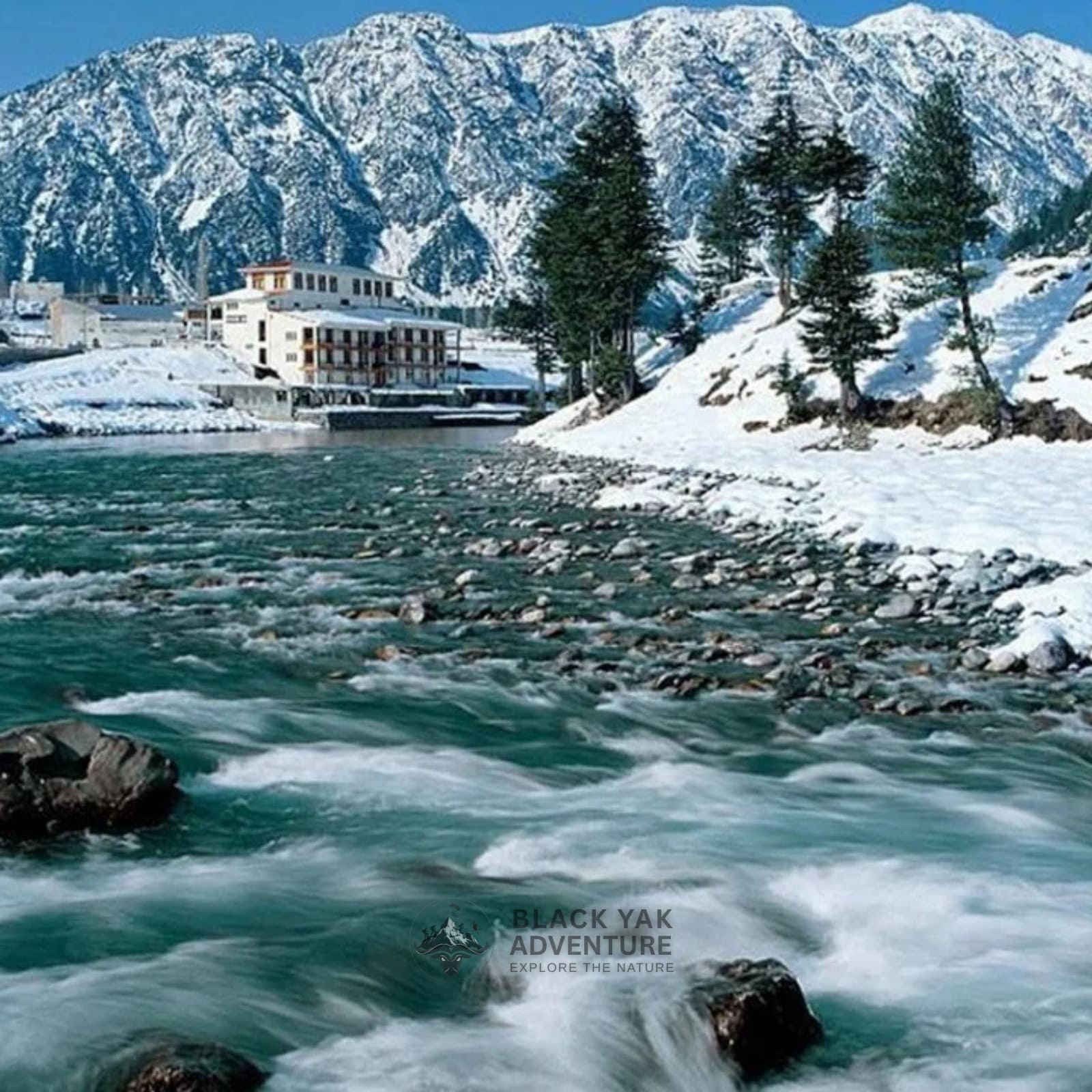
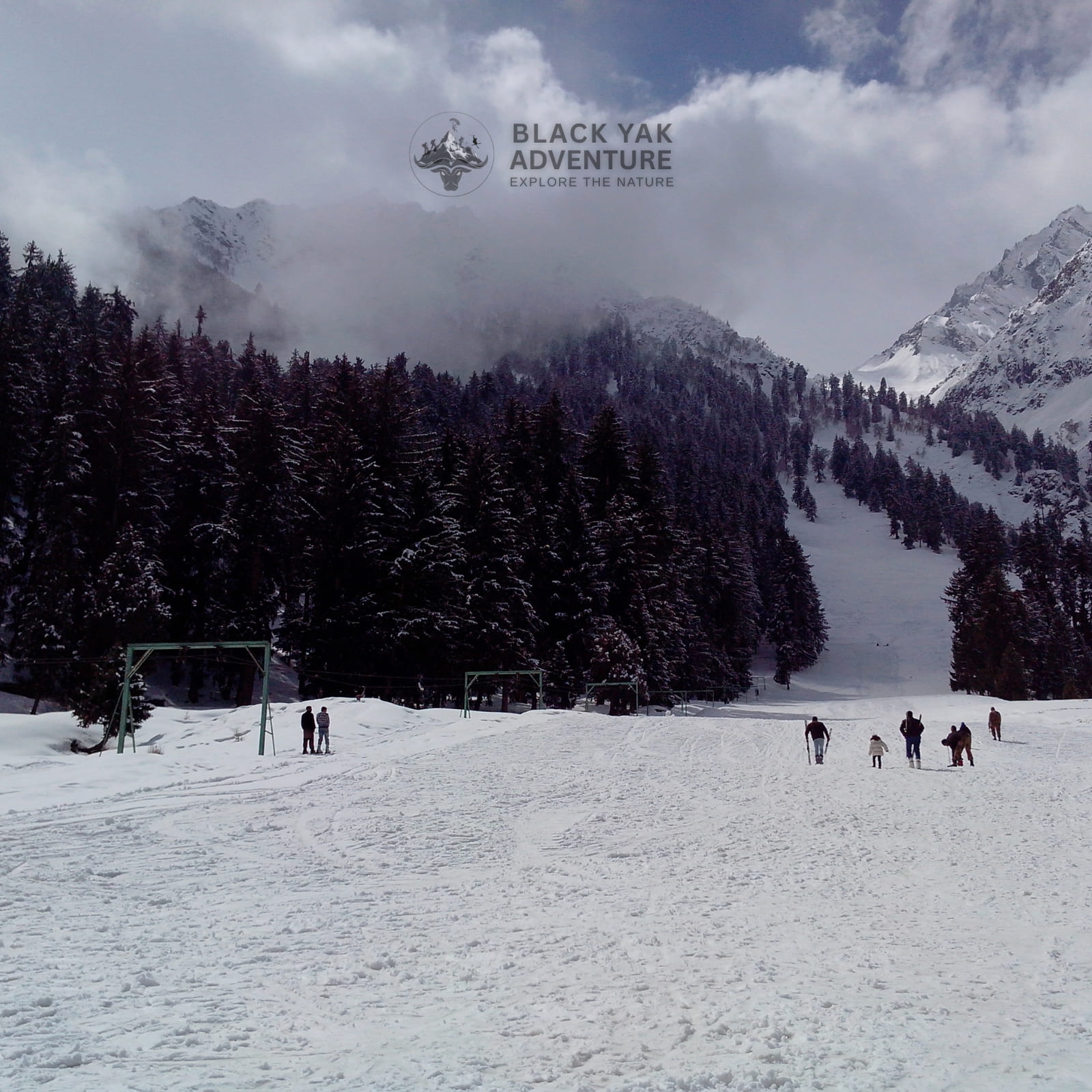
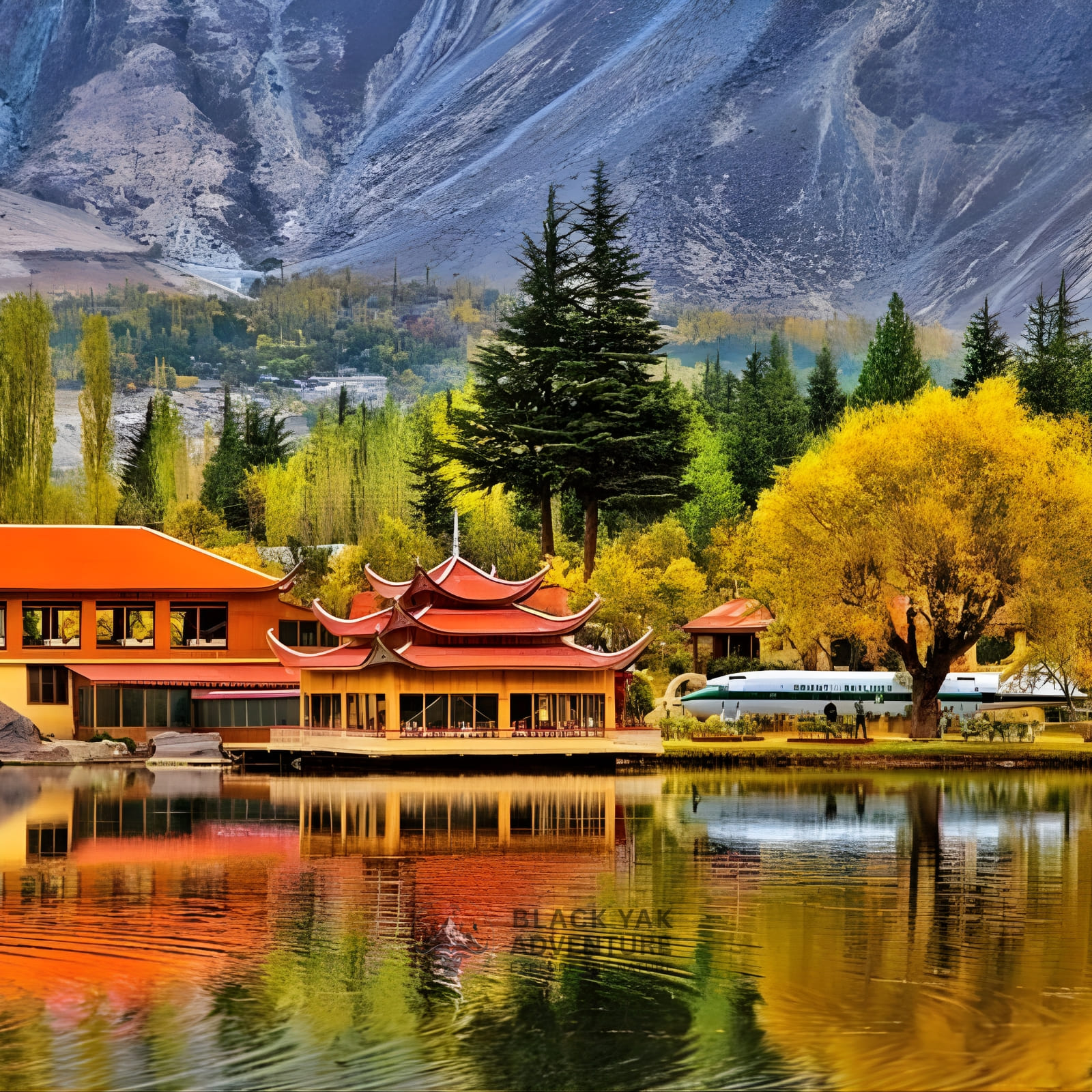
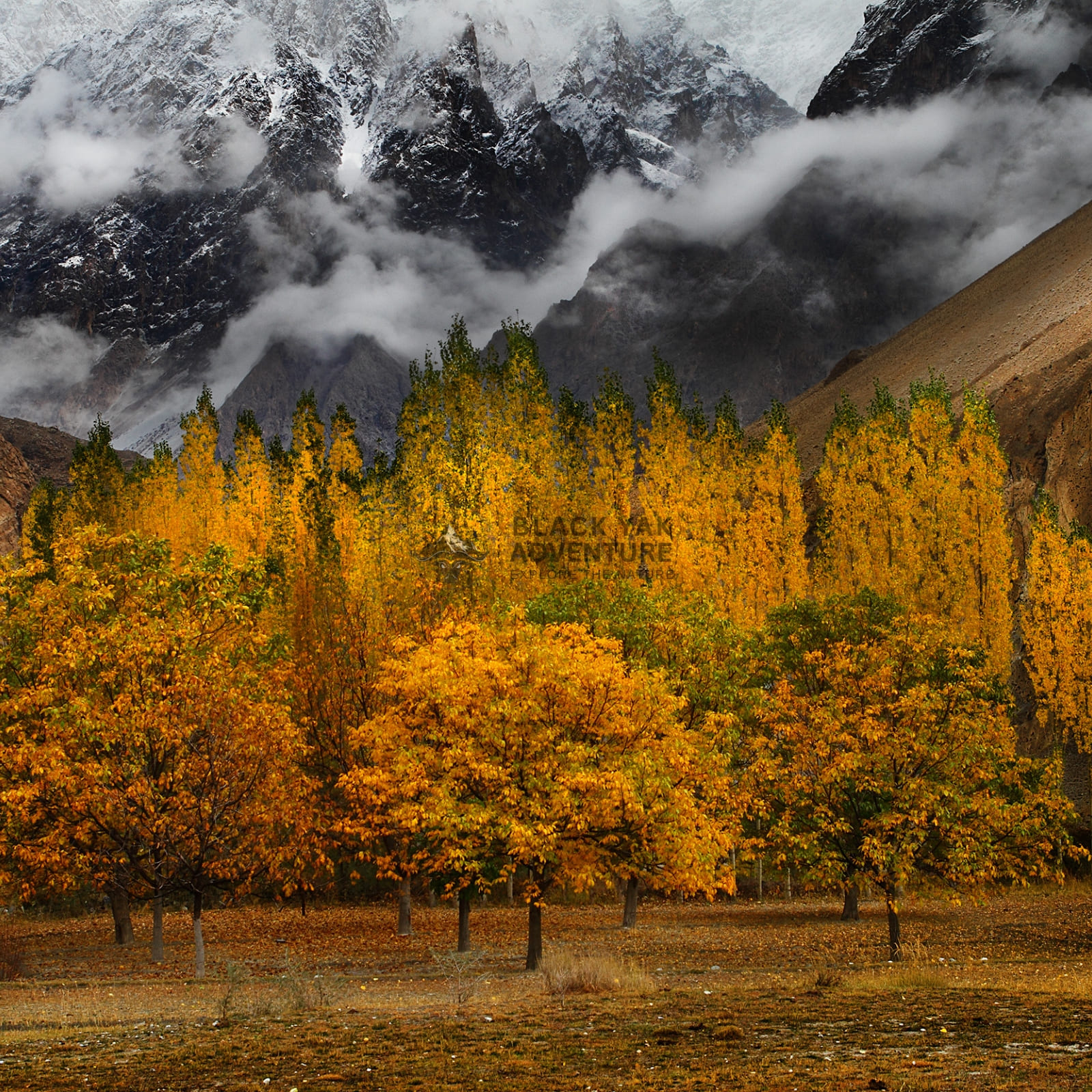
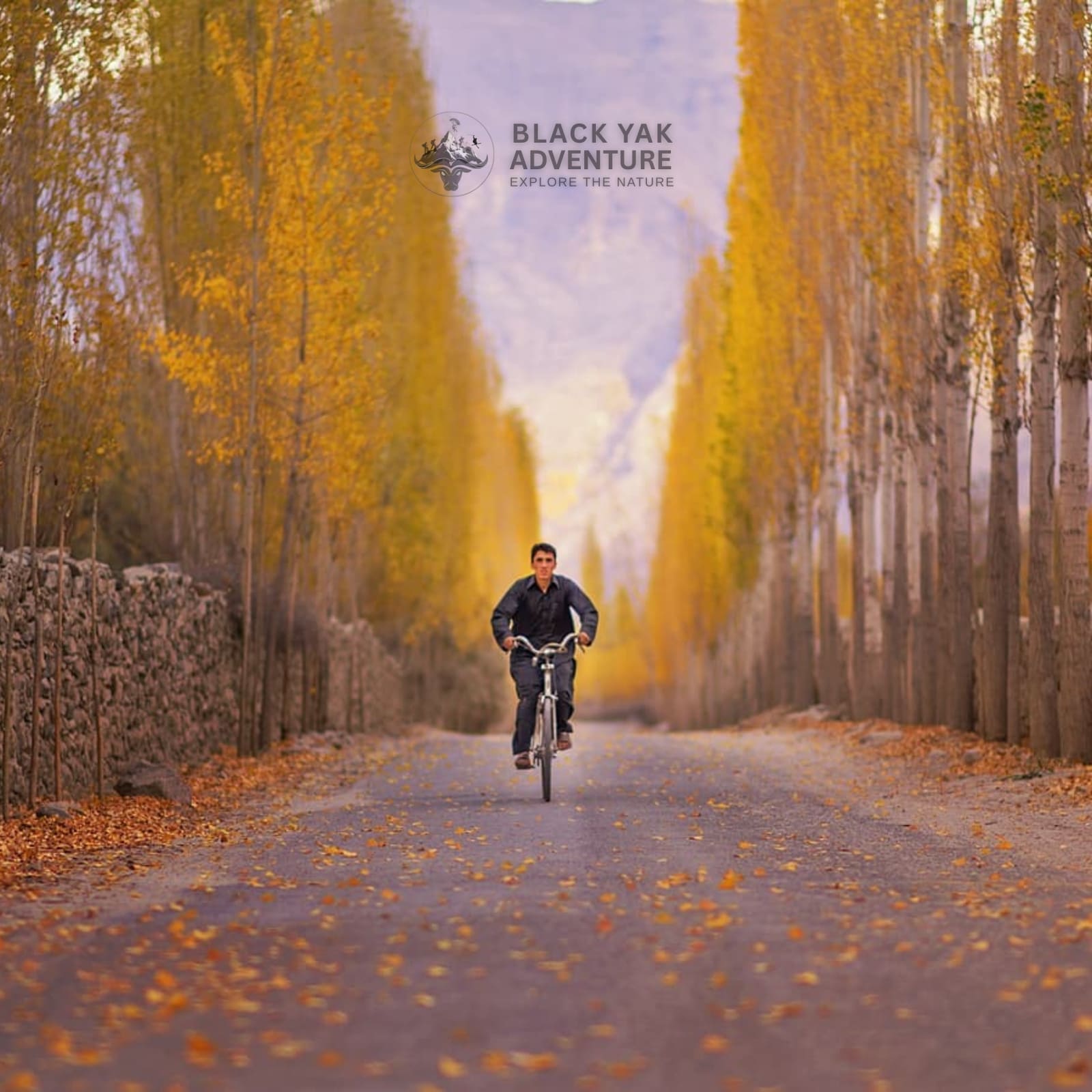
Autumn (September-October): Hunza turns into a painter’s paradise as poplars and fruit trees turn into hues of gold and orange, creating a breathtaking visual. Winter (November-February): A peaceful time to experience the frozen, raw beauty of Hunza with significant snowfall. Hunza: Culture and Hospitality Hunza is home to people renowned for their exceptionally high literacy rate, longevity, and heartwarming hospitality. They follow the Ismaili faith, which lays a strong emphasis on education, charity and community service.
Visiting Hunza means connecting with a way of life as old as its ancient ruins.
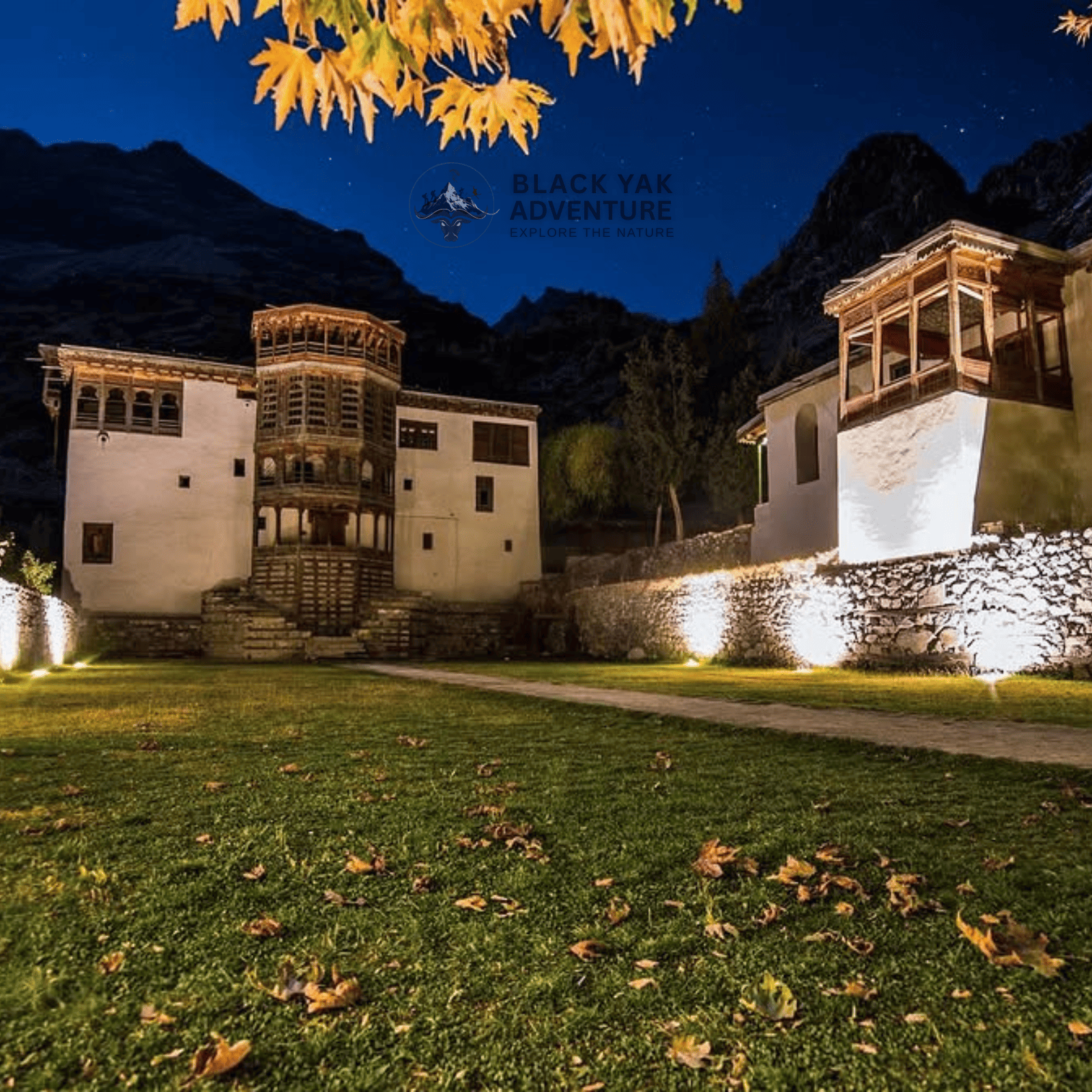
Exploring ancient Ganish Village – one of the oldest settlements in the valley – and its 1000-year-old watchtowers, along with the traditional community center (Jama’at Khana), offers a unique cultural immersion. Black Yak Adventure ensures your Hunza tour is completely tailored to you, combining luxury transport on the Karakoram Highway with guided experiences-led historical tours of the forts, we bring the best of this high-altitude paradise to your fingertips.
Pricing Details
| Solo Person | 2-4 Persons | 5-10 Persons | 11+ Persons |
| $4,399 | $2,199 | $2,099 | $1,999 |
Departure Schedule 2026
Schedule for Adventure Year-2026
| Starting Date | Ending Date | Price/Group | Availability |
| 05-June | 26-June | $2,099 | Available |
| 15-June | 06-July | $2,099 | Available |
| 25-June | 16-July | $2,099 | Available |
| 05-July | 26-July | $2,099 | Available |
| 15-July | 06-August | $2,099 | Available |
| 25-July | 16-August | $2,099 | Available |
| 05-August | 26-August | $2,099 | Available |
| 15-August | 06-September | $2,099 | Available |
| 25-August | 16-September | $2,099 | Available |
| 05-September | 26-September | $2,099 | Available |
| 15-September | 06-October | $2,099 | Available |
Why Book Your All Hunza Tour with Black Yak Adventure?
The Hunza Valley Experience: Why Join Our Signature Tour
Traveling on a professional tour of Hunza Valley with Black Yak Adventure is just the ticket to give you a nice and healthy mix of ‘The Eighth Wonder of the World’ (the KKH) and a peek into the deeply personal culture of the Burusho people.
Tour Highlights
- Rakaposhi Viewpoint: Stop in wonder below "The Mother of Mist," which looks down on us from its height of 7,788m right along the Karakoram Highway.
- Ancient Baltit Fort: Discover a 700-year-old masterpiece of architecture where once sat the rulers of the land (the Mirs) overlooking the bright town of Karimabad.
- Altit Fort & Royal Gardens: Go to the valley’s oldest monument, the Shikari Tower and beautifully restored heritage, which is as old as 1,100 years.
- Eagle’s Nest Sunset: Take a trek to Duikar viewpoint where you are going to witness an unforgettable golden sunset of eight famous peaks, which consist of the peaks named as Golden Peak and Lady Finger.
- Karimabad Cultural Bazaar: Browse locally manufactured goods for the realBaltitjewelry, locally manufactured shawls, and organic apricots. Experience Baltit life firsthand.
- The Turquoise Attabad Lake: Ride the vividly blue waters on a professional boating or jet-skiing tour.
- Hussaini Suspension Bridge: The bridge that gained a reputation as "world's most dangerous" serves as a unique example of the city's ingenuity and can challenge the bravery of any visitor.
- The Passu Cones: Marvel at the most shot scene in Karakoram – steep, spired, cathedral-like peaks, that are part of Tupopdan.
- Khunjerab Pass: High up on the Karkoram Highway, journey to the highest international road border crossing in the world (4,693 m), where China and Pakistan are separated by the infamous Khunjerab Pass.
- Hopar Glacier Trek: Hop out on a short and easy trek through the valley and see firsthand the power of one of the most active glaciers in the world.
- The Silk Road Heritage: TRace along the legendary Karakoram Highway – the eighth wonder of the world – on the same routes trodden by the ancient traders and explorers.
- Authentic Wakhi Hospitality: Learn the traditions and warm cultures of the Upper Hunza people in Gulmit and Passu villages.